
Introduction
Catholic fraternity is not merely a social bond. It is a supernatural unity grounded in truth, sacrament, and fidelity to the deposit of faith handed down from the Apostles.
In every age, the Church gathers her children into communion — not through shared sentiment alone, but through shared belief, shared worship, and shared obedience to divine revelation.
Sacred Scripture teaches:
“That they all may be one, as thou, Father, in me, and I in thee” (John 17:21).
https://www.drbo.org/chapter/50017.htm
This unity is not constructed by human consensus. It flows from participation in the truth of Christ.
The purpose of this fraternity is fidelity — fidelity to Sacred Scripture, Sacred Tradition, the Holy Sacrifice of the Mass, and the perennial Magisterium of the Church.
What This Fraternity Is
Fraternity in Faith is a spiritual communion of clergy and faithful united by:
- Fidelity to the Mass of the Ages
- Adherence to Sacred Tradition
- Devotion to the Immaculate Heart of Mary
- Commitment to doctrinal clarity
- Reverence for the Eucharist
It is not a movement defined by opposition, but by preservation. It exists to strengthen souls through mutual support rooted in Catholic truth.
Saint Paul exhorts:
“Careful to keep the unity of the Spirit in the bond of peace” (Ephesians 4:3).
https://www.drbo.org/chapter/56004.htm
True fraternity arises when souls are united in one faith.
Why It Matters
In times of doctrinal confusion and moral instability, isolation weakens the faithful. Fraternity strengthens perseverance.
The Church is described as:
“The pillar and ground of the truth” (1 Timothy 3:15).
https://www.drbo.org/chapter/62003.htm
To remain united to this pillar requires shared commitment to the objective truth.
Authentic Catholic fraternity safeguards:
- Doctrinal integrity
- Liturgical reverence
- Moral clarity
- Spiritual discipline
Where unity is built upon truth, peace flourishes.
Who This Serves
This fraternity serves:
- Clergy seeking fidelity to the perennial Magisterium
- Seminarians desiring formation rooted in Tradition
- Families striving to preserve Catholic identity
- Faithful devoted to the Traditional Latin Mass
- Marian souls committed to the Immaculate Heart
It exists to sustain and strengthen those who seek continuity rather than innovation.
Theological Foundations of Catholic Fraternity
Unity in One Faith
The unity of the Church is doctrinal before it is social.
Saint Paul teaches:
“One Lord, one faith, one baptism” (Ephesians 4:5).
https://www.drbo.org/chapter/56004.htm
Fraternity rooted in the same faith preserves ecclesial communion.
The First Vatican Council affirmed that the meaning of dogmatic teaching must always be retained and never abandoned.¹
https://www.newadvent.org/cathen/07790a.htm
Shared adherence to this unchanging truth forms authentic unity.
Communion in the Holy Sacrifice
The Holy Eucharist is the center of Catholic fraternity.
“Because there is one bread, we, though many, are one body” (1 Corinthians 10:17).
https://www.drbo.org/chapter/53010.htm
The Traditional Latin Mass visibly expresses this unity in sacrificial worship directed wholly to God.
Fraternity arises from kneeling together before the same altar.
Fidelity to Sacred Tradition
Saint Paul commands the faithful:
“Stand fast; and hold the traditions which you have learned” (2 Thessalonians 2:14).
https://www.drbo.org/chapter/60002.htm
Fraternity without fidelity becomes fragile. Fraternity rooted in Tradition becomes enduring.
The Council of Trent affirmed that divine revelation is preserved in both Scripture and Tradition.²
https://www.newadvent.org/cathen/15030c.htm
Unity grows where Tradition is safeguarded.
Historical Continuity of Catholic Fraternity
Fraternity in the Apostolic Church
From the beginning, the Church lived as a visible communion united in doctrine, prayer, and sacrificial worship.
“And they were persevering in the doctrine of the apostles, and in the communication of the breaking of bread, and in prayers” (Acts 2:42).
https://www.drbo.org/chapter/51002.htm
This apostolic fraternity was not sustained by personal affinity alone. It was sustained by shared belief and participation in the Eucharistic sacrifice.
The same pattern remains essential today: doctrine, liturgy, and charity form the pillars of Catholic unity.
The Witness of the Saints
Throughout history, the saints strengthened one another through fidelity to the Church’s perennial teaching.
Saint Augustine teaches that unity without truth cannot endure, for peace detached from doctrine becomes fragile.³
https://www.newadvent.org/fathers/1302.htm
Authentic Catholic fraternity has always been marked by:
- Humility before divine revelation
- Reverence for ecclesiastical authority
- Shared sacramental life
- Mutual encouragement in holiness
The saints demonstrate that fidelity and charity are inseparable.
Fraternity Rooted in the Mass of the Ages
The Traditional Latin Mass fosters fraternity through common orientation toward God.
When priest and faithful face the same altar, kneel in silence, and adore the same Eucharistic Lord, unity deepens in humility rather than self-expression.
The Council of Trent affirms that the Mass is the same sacrifice as Calvary made present sacramentally.⁴
https://www.newadvent.org/cathen/09789c.htm
Fraternity centered on sacrifice becomes sacrificial. It calls members to mutual patience, perseverance, and fidelity.
Marian Devotion as the Heart of Fraternity
No Catholic fraternity can endure without Marian devotion.
At the foot of the Cross stood the Blessed Virgin Mary in silent fidelity:
“Behold thy mother” (John 19:27).
https://www.drbo.org/chapter/50019.htm
Through her maternal intercession, unity is strengthened and souls are drawn more deeply into Christ.
Devotion to the Immaculate Heart forms fraternity marked by:
- Purity of intention
- Fidelity in suffering
- Perseverance amid trial
Where Mary is honored, unity is protected.
Purpose of This Fraternity Section
This section of the website exists to:
- Encourage unity rooted in doctrine
- Strengthen devotion to the Mass of the Ages
- Support clergy and faithful seeking continuity
- Provide catechetical formation
- Foster prayerful solidarity
It is not a political initiative nor a reactionary movement. It is a spiritual communion grounded in fidelity to Catholic Tradition.
Core Themes of Fraternity in Faith
Fidelity to the Deposit of Faith
The deposit of faith, once delivered to the Apostles, must be guarded without alteration.
“Contend earnestly for the faith once delivered to the saints” (Jude 1:3).
https://www.drbo.org/chapter/72001.htm
Fraternity strengthens this vigilance by mutual encouragement.
Mutual Support in Times of Trial
Periods of confusion test perseverance. Fraternity offers:
- Encouragement in faith
- Shared prayer
- Defense of doctrine
- Reverent liturgical life
Isolation breeds discouragement. Unity rooted in truth fosters courage.
Respect for Ecclesiastical Authority
Authentic fraternity remains within the visible structure of the Church established by Christ.
“Thou art Peter; and upon this rock I will build my church” (Matthew 16:18).
https://www.drbo.org/chapter/48016.htm
Fraternity seeks fidelity, not division. It upholds reverence toward the Holy Father and bishops while remaining steadfast in Tradition.
Why This Matters for the Faithful Today
Modern society often promotes individualism detached from objective truth. Catholic fraternity offers communion anchored in doctrine.
Saint Paul exhorts:
“Watch ye, stand fast in the faith, do manfully, and be strengthened” (1 Corinthians 16:13).
https://www.drbo.org/chapter/53016.htm
Standing fast is easier when one does not stand alone.
Fraternity rooted in Catholic Tradition becomes a safeguard against discouragement and doctrinal confusion.
Frequently Asked Questions
Is this fraternity separate from the Catholic Church?
No. It exists within the Church and seeks unity through fidelity to Sacred Tradition and the perennial Magisterium.
Does fraternity mean uniformity of opinion?
No. It means unity in defined doctrine and reverence in worship.
Is this initiative political?
No. It is spiritual and doctrinal, focused on faith, worship, and sanctification.
Why emphasize the Traditional Latin Mass?
Because it expresses sacrificial theology and doctrinal continuity with clarity.
How can one participate in this fraternity?
Through prayer, fidelity to the Mass of the Ages, study of Catholic doctrine, and devotion to the Immaculate Heart of Mary.
Final Exhortation
Fraternity in Faith is a communion formed not by preference, but by truth.
It is strengthened at the altar.
It is sustained by Sacred Tradition.
It is guided by the perennial Magisterium.
It is protected by the maternal care of the Blessed Virgin Mary.
May all who seek fidelity find strength in communion with one another, and may unity rooted in truth shine as a light in times of uncertainty.
May the Reign of Mary come.
Adveniat Regnum Mariae!
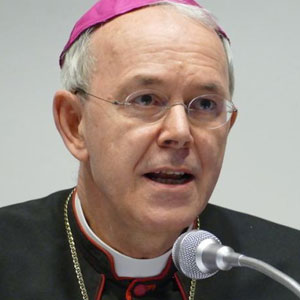
Grow in unity and fidelity with others in the faith while deepening your own understanding through our Q&A with Bishop Athanasius Schneider: https://www.gloriadei.io/q-and-a/
Footnotes
- First Vatican Council, Pastor Aeternus (1870).
https://www.newadvent.org/cathen/07790a.htm - Council of Trent, Session IV, Decree Concerning the Canonical Scriptures (1546).
https://www.newadvent.org/cathen/15030c.htm - Saint Augustine, On the Morals of the Catholic Church.
https://www.newadvent.org/fathers/1302.htm - Council of Trent, Session XXII, Doctrine on the Sacrifice of the Mass (1562).
https://www.newadvent.org/cathen/09789c.htm - Holy Bible, Douay-Rheims Version. John 17:21.
https://www.drbo.org/chapter/50017.htm - Holy Bible, Douay-Rheims Version. Ephesians 4:3–5.
https://www.drbo.org/chapter/56004.htm - Holy Bible, Douay-Rheims Version. 1 Timothy 3:15.
https://www.drbo.org/chapter/62003.htm - Holy Bible, Douay-Rheims Version. Acts 2:42.
https://www.drbo.org/chapter/51002.htm - Holy Bible, Douay-Rheims Version. 1 Corinthians 10:17.
https://www.drbo.org/chapter/53010.htm - Holy Bible, Douay-Rheims Version. 2 Thessalonians 2:14.
https://www.drbo.org/chapter/60002.htm - Holy Bible, Douay-Rheims Version. Jude 1:3.
https://www.drbo.org/chapter/72001.htm - Holy Bible, Douay-Rheims Version. Matthew 16:18.
https://www.drbo.org/chapter/48016.htm - Holy Bible, Douay-Rheims Version. John 19:27.
https://www.drbo.org/chapter/50019.htm - Holy Bible, Douay-Rheims Version. 1 Corinthians 16:13.
https://www.drbo.org/chapter/53016.htm
Bibliography
Sacred Scripture
Holy Bible. Douay-Rheims Version.
https://www.drbo.org
Ecumenical Councils
Council of Trent. Session IV, Decree Concerning the Canonical Scriptures (1546).
https://www.newadvent.org/cathen/15030c.htm
Council of Trent. Session XXII, Doctrine on the Sacrifice of the Mass (1562).
https://www.newadvent.org/cathen/09789c.htm
First Vatican Council. Pastor Aeternus (1870).
https://www.newadvent.org/cathen/07790a.htm
Fathers of the Church
Saint Augustine. On the Morals of the Catholic Church.
https://www.newadvent.org/fathers/1302.htm