Introduction
To attend a Traditional Latin Mass for the first time is to step into the Church’s ancient liturgical inheritance. The silence, sacred language, and solemn gestures may feel unfamiliar, yet they are deeply rooted in centuries of organic development and theological clarity.
The Holy Sacrifice of the Mass is not primarily a gathering of the community, but the sacramental renewal of Calvary. The Council of Trent solemnly teaches that the Mass is truly and properly a sacrifice.¹
https://www.newadvent.org/cathen/09789c.htm
This guide offers practical and spiritual direction so that your first experience may be marked by peace, reverence, and understanding.
What the Traditional Latin Mass Is
The Traditional Latin Mass — often called the Mass of the Ages — is the Roman Rite as celebrated for centuries before the liturgical reform of 1970.
It is characterized by:
- Latin as the sacred liturgical language
- Ad orientem worship (priest and faithful facing the same direction)
- Sacred silence
- Chant and ceremonial precision
- A profound emphasis on sacrifice
At the Last Supper, Our Lord declared:
“This is my body… this is my blood” (Matthew 26:26–28).
https://www.drbo.org/chapter/47026.htm
The Traditional Latin Mass safeguards the sacrificial meaning of these words through gesture, posture, and prayer.
Why It Matters
The Church has always understood that worship shapes belief. The way we pray influences the way we understand divine truth.
Saint Paul teaches that Christ redeemed us through obedience:
“He humbled himself, becoming obedient unto death, even to the death of the cross” (Philippians 2:8).
https://www.drbo.org/chapter/57002.htm
At every Mass, that one sacrifice of Christ is made present in an unbloody manner.¹
The Traditional Latin Mass emphasizes:
- The transcendence of God
- The sacred character of the priesthood
- The Real Presence of Christ in the Eucharist
- The humility of the faithful before divine majesty
This reverent structure fosters interior recollection and doctrinal clarity.
Who This Guide Serves
This practical guide serves:
- Catholics attending the Traditional Latin Mass for the first time
- Families introducing children to the Mass of the Ages
- Converts seeking liturgical depth
- Faithful desiring greater reverence in worship
Preparation removes anxiety and cultivates peace.
The Theological Foundation of the Mass
The Mass as Sacrifice
The Council of Trent defined that in the Mass, the same Christ who offered Himself on the Cross is offered in an unbloody manner.¹
The Roman Catechism further explains that the Mass is not merely a memorial, but a true sacrifice renewing sacramentally the offering of Calvary.²
https://www.newadvent.org/cathen/13164a.htm
The priest acts in persona Christi, offering the Holy Victim to the Father.
Orientation Toward God
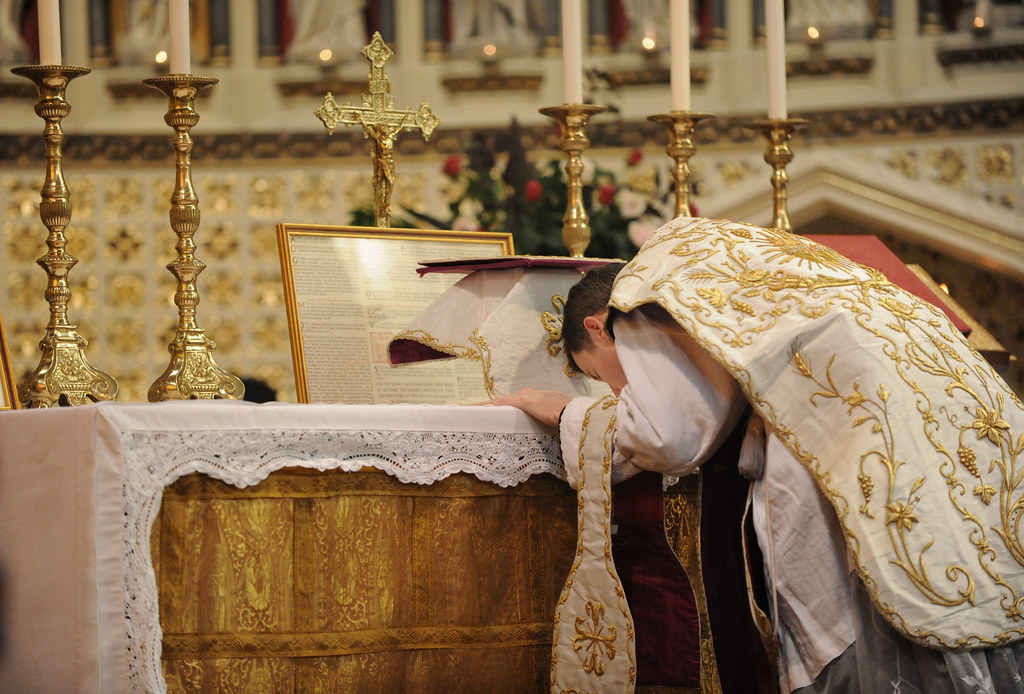
In the Traditional Latin Mass, the priest faces the altar with the faithful. This posture signifies that all are turned toward God together.
Sacred Scripture reminds us:
“For from the rising of the sun even to the going down, my name is great among the Gentiles: and in every place there is sacrifice” (Malachi 1:11).
https://www.drbo.org/chapter/43001.htm
The altar is not a stage. It is the place of sacrifice.
Silence and Sacred Mystery
During the Canon of the Mass, the priest prays in a low voice. This silence is not absence but reverence.
The sacred mysteries exceed human speech. Silence protects them from casual familiarity.
Practical Preparation Before You Go
Attending the Traditional Latin Mass for the first time requires not anxiety, but recollection. The external differences are secondary. The interior disposition is primary.
Saint Paul exhorts:
“Let a man prove himself: and so let him eat of that bread” (1 Corinthians 11:28).
https://www.drbo.org/chapter/53011.htm
Preparation includes:
- Examination of conscience
- Sacramental confession if needed
- Modest and dignified dress
- Arriving early for silent prayer
- Bringing a hand missal if possible
The church is ordinarily quiet before Mass begins. The faithful prepare through prayer rather than conversation. This silence disposes the soul toward reverence.
What to Expect During the Mass
The Prayers at the Foot of the Altar
The Mass begins with prayers expressing humility and repentance. The priest approaches the altar conscious of unworthiness, echoing the Psalmist:
“I will go in to the altar of God: to God who giveth joy to my youth” (Psalm 42:4).
https://www.drbo.org/chapter/21042.htm
The faithful unite themselves interiorly with this prayer.
The Liturgy of the Word
The Epistle and Gospel are proclaimed, traditionally in Latin, often followed by a sermon in the vernacular.
Even when the language may seem unfamiliar, the Word of God remains living and effective. The purpose is not rapid comprehension of every phrase, but attentive reverence toward divine revelation.
The Offertory
During the Offertory, the priest prepares the bread and wine that will become the Body and Blood of Christ.
The prayers emphasize propitiation and sacrifice. The faithful silently offer their own intentions and sacrifices in union with Christ.
The Canon of the Mass
The Canon is prayed quietly. Bells may ring at the consecration. At that moment, the priest pronounces the sacred words of Christ:
“For this is my body… For this is the chalice of my blood” (Matthew 26:26–28).
https://www.drbo.org/chapter/47026.htm
The faithful kneel in adoration.
The silence at this moment expresses awe before the mystery of transubstantiation — defined and defended by the Council of Trent.¹
Holy Communion
Holy Communion is ordinarily received kneeling and on the tongue.
This posture expresses faith in the Real Presence and humility before the Eucharistic Lord.
The Roman Catechism emphasizes the need for worthy reception and interior preparation.²
If one is not in the state of grace, it is appropriate to remain in prayer and seek sacramental confession.
Marian Disposition at the Holy Sacrifice
The Blessed Virgin Mary stood at the foot of the Cross in silent fidelity. The Mass makes present that same sacrifice.
Her words at the Annunciation provide the model for participation:
“Behold the handmaid of the Lord; be it done to me according to thy word” (Luke 1:38).
https://www.drbo.org/chapter/49001.htm
At Mass, the faithful unite themselves to Christ through the maternal mediation of Mary, offering Him to the Father with her.
Devotion to the Immaculate Heart deepens Eucharistic reverence and strengthens fidelity.
Interior Participation: The Most Important Element
Active participation does not consist primarily in outward speech. It consists in:
- Attention
- Adoration
- Thanksgiving
- Petition
- Reparation
True participation is interior union with the sacrifice being offered.
The Council of Trent reminds the faithful that the fruits of the Mass flow abundantly to those who assist with devotion.¹
Frequently Asked Questions
Do I need to understand Latin to benefit from the Mass?
No. The primary participation is interior. A bilingual missal assists, but reverent prayer is essential.
What if I am unsure when to sit, stand, or kneel?
Observe others quietly and follow as you are able. There is no need for concern. God sees the heart.
Is the Traditional Latin Mass separate from the Catholic Church?
No. It is the Roman Rite in its historic form, celebrated in full continuity with Catholic doctrine.
Why does the priest pray quietly during the Canon?
The silence underscores the sacred mystery taking place. It fosters reverence and recollection.
How should I prepare spiritually after my first visit?
Reflect upon the experience in prayer. Consider studying the Roman Catechism and deepening devotion to the Holy Eucharist.
Final Exhortation
To attend the Traditional Latin Mass for the first time is to enter into the Church’s ancient inheritance of worship. The experience may feel unfamiliar, yet its reverence speaks a universal language.
Approach with humility.
Assist with recollection.
Receive with gratitude.
In this sacred liturgy, the sacrifice of Calvary is made present. Heaven touches earth.
May every first visit lead to deeper Eucharistic faith, stronger devotion to Our Lady, and renewed fidelity to the Church’s perennial Tradition.
May the Reign of Mary come.
Adveniat Regnum Mariae!
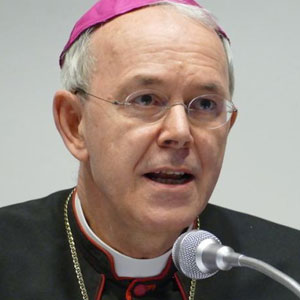
Step into the beauty of tradition with confidence and find clear answers to your questions in our Q&A with Bishop Athanasius Schneider: https://www.gloriadei.io/q-and-a/
Footnotes
- Council of Trent, Session XXII, Doctrine on the Sacrifice of the Mass (1562).
https://www.newadvent.org/cathen/09789c.htm - Roman Catechism of the Council of Trent, Part II, On the Sacrifice of the Mass.
https://www.newadvent.org/cathen/13164a.htm - Holy Bible, Douay-Rheims Version. Matthew 26:26–28.
https://www.drbo.org/chapter/47026.htm - Holy Bible, Douay-Rheims Version. Philippians 2:8.
https://www.drbo.org/chapter/57002.htm - Holy Bible, Douay-Rheims Version. 1 Corinthians 11:28.
https://www.drbo.org/chapter/53011.htm - Holy Bible, Douay-Rheims Version. Psalm 42:4.
https://www.drbo.org/chapter/21042.htm - Holy Bible, Douay-Rheims Version. Malachi 1:11.
https://www.drbo.org/chapter/43001.htm - Holy Bible, Douay-Rheims Version. Luke 1:38.
https://www.drbo.org/chapter/49001.htm
Bibliography
Sacred Scripture
Holy Bible. Douay-Rheims Version.
https://www.drbo.org
Ecumenical Councils
Council of Trent. Session XXII, Doctrine on the Sacrifice of the Mass (1562).
https://www.newadvent.org/cathen/09789c.htm
Catechisms
Roman Catechism of the Council of Trent.
https://www.newadvent.org/cathen/13164a.htm