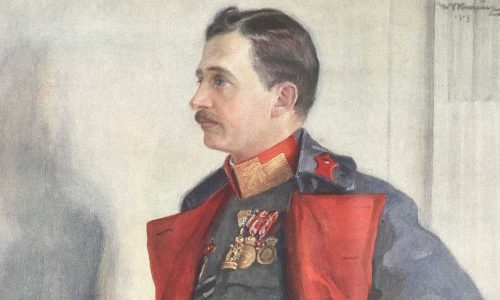
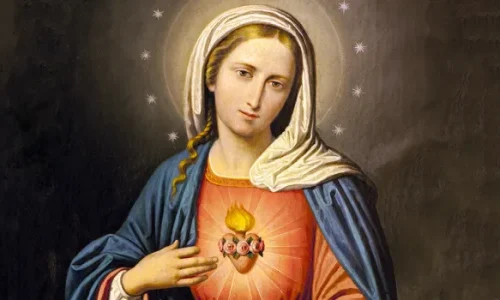
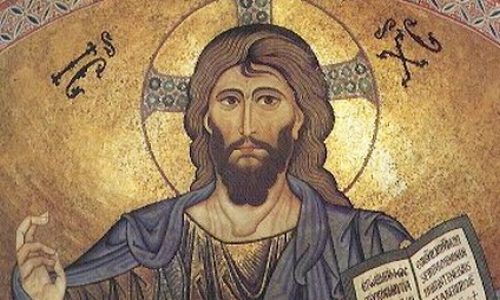
Blessed Karl lived a deep devotion to the Sacred Heart of Jesus, consecrating his family and empire. Even in exile and suffering, he trusted Jesus completely and died invoking His name.
Bishop Schneider warns that liberal and communist ideologies deny God, undermine Christianity, and distort human dignity, urging fidelity to Catholic teaching, natural law, and Christ as the foundation of society.
The Church endures despite global challenges. Bishop Schneider stresses that lay faithful play a vital role in evangelization and preserving the Church by supporting clergy and maintaining their faith.
Bishop Schneider teaches that time is God’s gift for salvation. He reflects on Christ’s incarnation, the feast of January 1, and how peace comes from faith, grace, and God’s eternal presence.
Obedience to the Pope is not absolute. In rare cases, when faith or Church integrity is at risk, bishops and the faithful may publicly correct him out of fraternal love.
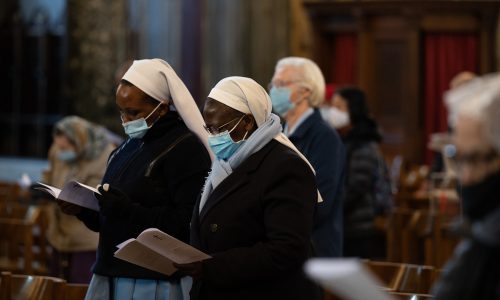
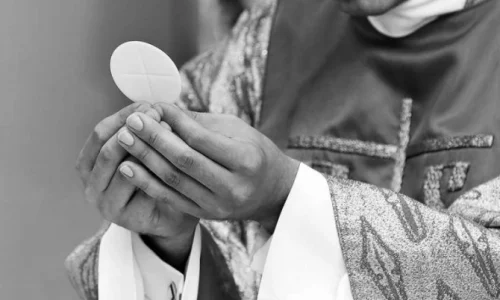
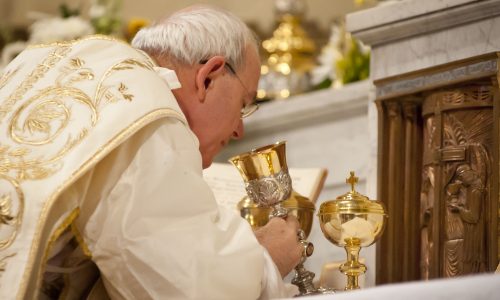
Bishop Schneider criticizes priests wearing masks during Communion, saying it harms reverence. He believes kneeling removes health risk and stresses preserving liturgical dignity while applying appropriate health measures.
Mary, through her humility and faith, protects the Church from heresies and evil. Saints like St. Louis de Montfort and St. Maximilian Kolbe highlight her essential role in spiritual victory.
Bishop Schneider shares his family's underground Catholic faith, supports a Belarusian traditional Mass center, and defends the traditional Latin Mass against modern changes, urging bishops and faithful to preserve Church tradition.
Bishop Schneider describes the worship ban during COVID-19 as a divine trial and purification, comparing it to early Church persecution and urging renewed focus on the Eucharist and eternal salvation.
Bishop Athanasius Schneider stresses that Holy Communion must never be treated casually or socially, but received with reverence, faith, and recognition of the true divine presence of Jesus Christ.
Bishop Schneider views Europe’s mass migration as a planned Islamic invasion aimed at eroding Christianity, predicting demographic shifts may lead to Islamic dominance and potential divine purification of the Church.
Bishop Athanasius Schneider views the suspension of public worship during the pandemic as a divine trial, calling Catholics to patience, prayer, domestic worship, and spiritual renewal through suffering.
Bishop Athanasius Schneider prays for Christ’s protection of the Church during crisis, asking for preservation of true faith, defeat of error, and help through Mary’s intercession.
Bishop Athanasius Schneider explains that obedience has limits and that Catholics must follow God and Tradition, respectfully resisting ecclesiastical authority when faith or sacred liturgy is endangered.
Bishop Schneider rejects the "Book of Truth" as deceptive and unapproved, urging Catholics to follow Church doctrine, traditional spirituality, and humility over false revelations that confuse and mislead the faithful.
Bishop Schneider stresses that Catholics must uphold faith in Christ and Marian devotion, resisting secular ideologies, moral decay, and worldly confusion while seeking divine wisdom and spiritual strength.
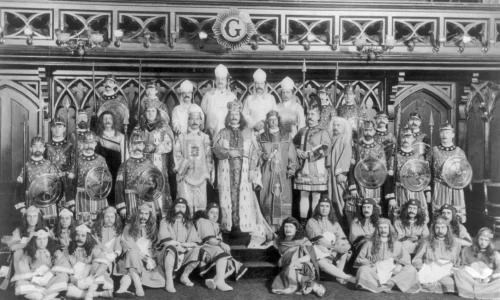
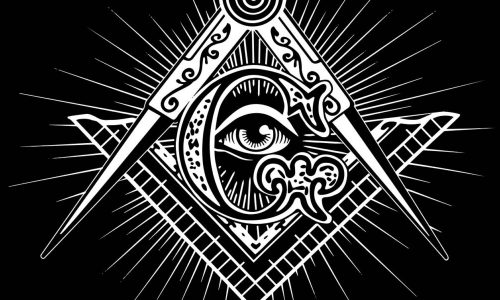
Bishop Schneider states that Freemasonry is a secretive, pseudo-religion opposing God and the Church, promoting human supremacy, corrupting morality, and infiltrating society’s political and financial structures.
Bishop Schneider stresses that Catholic faith resists modern rationalism and relativism. True belief is supernatural, rooted in Church teachings, harmonizing faith and reason, and must grow in understanding without changing its essence.
Bishop Schneider described the West’s moral collapse, urging Catholics to courageously maintain faith, resist worldly deception, preserve tradition, and trust in Christ’s victory over sin, error, and the forces opposing God.
Bishop Schneider warns of internal enemies reshaping the Church but affirms Christ’s control and the Church’s endurance. He sees Bishop Strickland’s removal as evidence of the deepening ecclesial crisis.
Bishop Schneider highlights the dangers of doctrinal relativism and modern ideologies, emphasizing true mercy, family, sacraments, and steadfast clergy as central to preserving Christian faith and moral truth.
Bishop Schneider highlighted current crises in the Church and urged reliance on the traditional Mass as a spiritual aid, bringing light and guidance to Catholic families in faith and life.
Bishop Schneider condemns post-Vatican II ecumenism, asserting Islam is a false religion. He believes claiming Muslims worship the same God undermines Christian mission and betrays Christ through religious relativism.
Bishop Schneider stressed the traditional Mass, the Eucharist, family, saints, and angels as central to Catholic life, warning against secularism and naturalism while urging faithfulness to God and Church teachings.
Bishop Schneider thanks Bishop Strickland for steadfastly defending the faith, urges faithful to remain loyal, and views current challenges as a chance to renew the Church and demonstrate true Catholic fidelity.
Bishop Schneider stated that faith is a divine gift, rooted in Catholic tradition, Scripture, and Church teaching, warning against heresy and emphasizing reliance on God’s revelation and the Holy Spirit.
Bishop Schneider states that Freemasonry is an anti-Christian religion opposed to Catholic faith, revelation, and morality, seeking societal influence through secrecy and ideology, and remaining incompatible with Church teaching.
Bishop Schneider explains that an open Vatican document permits blessings in irregular situations, which he says contradict Church tradition, Scripture, and apostolic teaching, causing doctrinal confusion about morality and God’s will.
Bishop Schneider describes asking Pope Benedict XVI to end Communion in the hand, recounting conversations, encouragement, and Vatican publication showing Benedict’s attentive listening and support regarding this practice within Church.
Bishop Schneider state that the Eucharist is Christ’s true sacrifice, requiring priestly mediation, faithful participation, deep reverence, and childlike humility, so that Holy Communion is protected from profanation and received worthily.