Pope Francis’s Kazakhstan visit drew Bishop Schneider’s criticism for risking religious relativism. Separately, Cardinal Krajewski delivered aid in Ukraine, and the pope addressed the morality of arming Ukraine amid war.
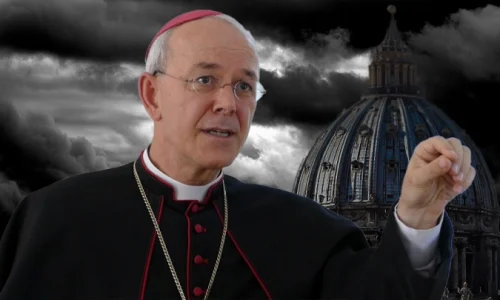
Pope Francis’s participation in a multi-faith congress drew criticism from Bishop Schneider, who warned it undermines Catholic distinctiveness. Vatican officials, however, praised the event’s contribution to interreligious dialogue and peace.
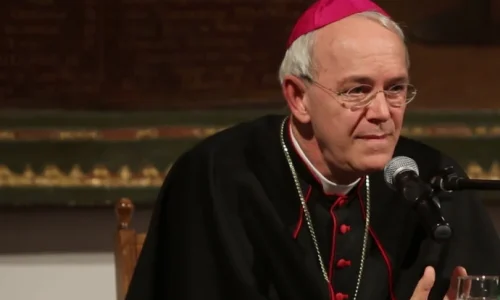
Bishop Schneider condemned the multi-faith congress as undermining Catholic uniqueness. He stressed bishops must speak openly to the pope. Francis encouraged Kazakh clergy to engage with people and avoid rigid, clerical communities.
Bishop Schneider called Pope Francis’ involvement in a religious congress dangerous and defended respectful disagreement with the pope as collegiality, emphasizing the Catholic Church’s unique truth and mission.
Bishop Schneider condemned the Congress for undermining Catholic uniqueness; Pope Francis defended interreligious dialogue and honored the faith. A signed declaration on pluralism sparked controversy and was quietly revised later.
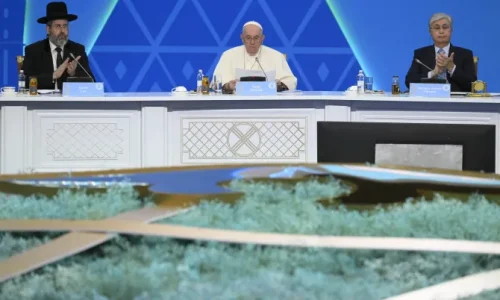
Pope Francis promoted peace and dialogue in Kazakhstan, facing critiques from Orthodox and Catholic leaders. His equal seating among faith leaders symbolized solidarity, though it raised concerns about implying religious equivalence.
Bishop Schneider denounced the Congress for promoting religious relativism, affirming Catholicism as the sole true faith and criticizing Pope Francis’s support of pluralism in official documents.
Michael Matt praised Bishop Schneider for defending Christ amid Church authority crises. Schneider inspired CIC 2021 attendees with spiritual warfare themes and will keynote CIC 2022 in Pittsburgh.
The congress declaration was changed to clarify religious diversity is allowed by God. Bishop Schneider warned against equating Catholicism with other religions, while Pope Francis stressed fraternity amid religious differences.
Bishop Schneider warned the congress could undermine Catholic truth, affirming Jesus as the only Savior. He views respectful criticism of the pope as collegiality, opposing religious relativism and interfaith equivalence.
Bishop Schneider criticized the interfaith congress for implying religious equality, reaffirming Catholicism as the only true faith. He defended respectful critique of the pope as essential collegiality and clarity of doctrine.
Bishop Schneider warned the Kazakhstan interfaith congress risks diluting Catholic truth. Emphasizing respectful critique as collegiality, he reaffirmed the Church’s sole salvific role and urged future gatherings avoid “supermarket of religions” optics.
Bishop Schneider warned Pope Francis’s interfaith engagement risks relativizing Catholicism, calling it “dangerous.” He defended his critiques as respectful collegiality, affirming Catholicism as the sole true faith willed by God.
Bishop Schneider warned Pope Francis’ interfaith meeting risks relativizing Catholicism. The pope called for dialogue and openness, urging Catholics to embrace new ways of witnessing faith in a changing world.
Bishop Schneider criticized interfaith meetings for equating Catholicism with other religions. He defended public criticism of the pope. Pope Francis urged peace, condemning war during his Kazakhstan visit.
Pope Francis visits Kazakhstan to promote peace amid war, focusing on interfaith dialogue. The diverse nation has a Muslim majority; Bishop Schneider supports coexistence but remains a critic of the pope.
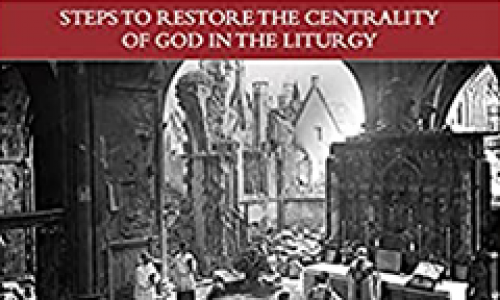
Bishop Schneider critiques Vatican II’s legacy, citing a shift to man-centered liturgies. He urges a return to God-centered worship, claiming the anticipated renewal from the council has not materialized.
Bishop Schneider’s The Springtime that Never Came tackles modern Church crises, urging a return to tradition, sacramental life, and evangelization. He offers clear, bold responses to today’s most pressing issues.
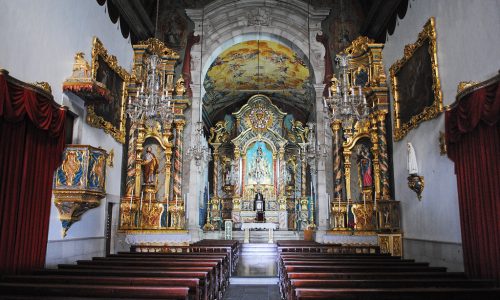
Bishop Schneider led a 2022 pilgrimage in Madeira honoring Blessed Karl of Austria. Pilgrims explored historical sites, joined liturgies, and reflected on Karl’s life, sacrifice, and legacy of peace.
Bishop Schneider’s The Springtime that Never Came addresses Church crises, moral decay, and heresy. He urges renewed devotion to the Eucharist and tradition as the Church’s true path forward.
Bishop Schneider’s The Catholic Mass calls for reverence, beauty, and symbolism in worship, defending traditional liturgy as a sacred bridge to God and a reflection of timeless Catholic truth.
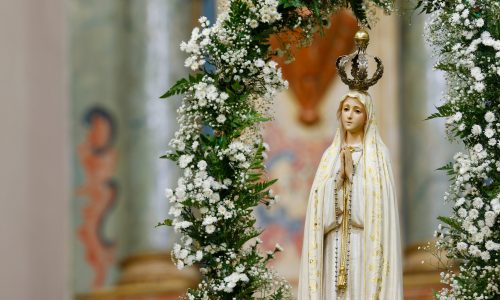
The phrase “terra del Cielo” in Pope Francis’s 2022 consecration was mistranslated as “Queen of Heaven.” Bishop Schneider affirms its theological validity and sees the formula as fulfilling Fatima’s request.
Pope Francis will consecrate Russia and Ukraine to Mary’s Immaculate Heart on March 25, echoing Fatima’s message. This act joins global bishops and follows past papal consecrations amid conflict.
Adoration is acknowledging God's greatness and our dependence on Him. It involves humility, inward devotion, and outward expression, freeing us from sin and self-centeredness while glorifying God for our salvation.
Bishop Schneider calls for the reversal of Traditionis Custodes, defending the traditional liturgy. Archbishop Roche rejects claims of harm, insisting the reforms reflect synodality and the Church's liturgical direction.
Amid Kazakhstan’s unrest, Bishop Schneider confirmed Catholics are safe and still worshiping. Known for traditionalist views, he remains a prominent figure in Kazakhstan’s Latin Rite Catholic minority community.
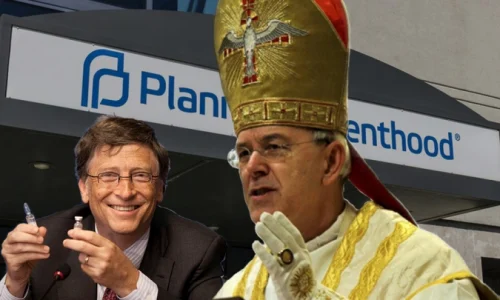
Hundreds lost jobs over vaccine mandates tied to abortion. Bishop Schneider defends their stance, despite criticism. Michael Matt challenges him, but Schneider responds with strong fidelity to Catholic moral tradition.
Bishop Schneider condemns the Vatican’s rigid restrictions on the traditional Mass, urging bishops to practice creative charity and epikeia to protect faithful attached to the older liturgy and prevent spiritual harm.
A Catholic Airman was denied a vaccine exemption based on flawed claims that all drugs are tested on fetal cells. Critics say Fr. Schneider’s argument misrepresents medical testing and research.
Bishop Schneider described surviving Soviet religious oppression, crediting his family for preserving his faith. He urged young Catholics to form strong families and live virtuously to help renew the Church.