Public sacrilege offends God directly. Reparation through prayer and peaceful protest is vital. Political action helps prevent offenses, but responses must be nonviolent; heroic acts depend on personal calling, not obligation.
Be cautious with private revelations, many may mislead despite appearing good. True revelations are humble, Church-discerned, and avoid publicity. Scripture urges testing spirits true prophets don't seek fame or global platforms.
Bishop Athanasius Schneider says Russia was specifically named because communism spread from there, and its consecration was intended to heal that evil and restore full communion.
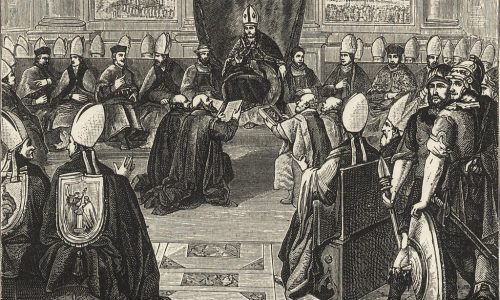
The 14th-century Council of Vienne clarified that the soul is the body’s form its vital, metaphysical principle. At death, soul and body separate, at resurrection, God reunites them.
Plenary indulgences are allowed during the Holy See’s vacancy by praying for the Church and Pope’s intention, though future Popes may shift this to the Roman Church’s spiritual intention.
The goal is daily Rosary prayer for this intention. A prayer from the booklet is now recited after broadcasts, helping people focus on asking God for a new era of holy popes alongside the Rosary.
The Centro Dom Bosco in Brazil asked me for Rosary meditations. I proposed adding a concrete intention: praying for a new era of holy popes, seeking God’s grace to restore saintly pontiffs like the early Church.
A U.S. pope after Pope Francis highlights Catholicism’s importance in Europe and the U.S., encouraging American faithful. Yet, the pope’s key quality remains unwavering catholicity and fidelity to apostolic tradition.
The Pope could require bishops to sign a profession of faith condemning errors like homosexuality and divorce, affirming Christ’s uniqueness, and banning LGBT displays in churches, to purify leadership starting with faithful cardinals.
Though the Church has a sound process for selecting bishops, post-Vatican II carelessness led to weak appointments. The new pope must guide nuncios to choose candidates rooted in apostolic tradition, as bishops deeply shape dioceses and the faithful.
The pope’s first duty is to confirm the faithful in true faith. Amid doctrinal confusion, a magisterial act like an encyclical or apostolic constitution is urgently needed to correct recent doctrinal and moral errors.
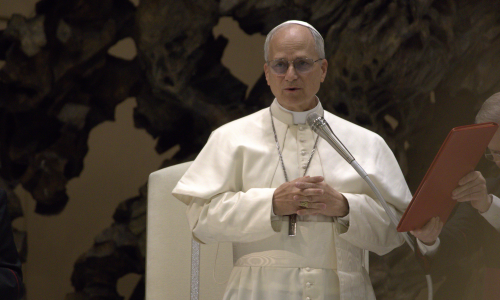
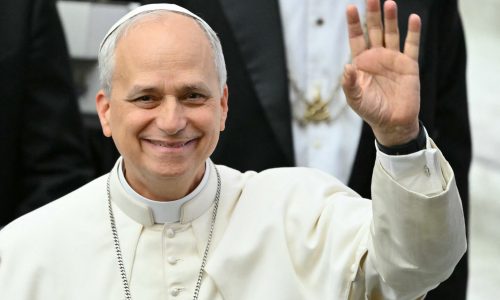
From his first balcony appearance, he radiated hope and reverence. Through traditional vestments, a liturgical greeting, and invoking Our Lady of the Rosary, he reminded us Christ must remain the Church’s center.
As a bishop, you prefer the traditional Latin Mass but accept the Novus Ordo in conscience when celebrated reverently with the Roman Canon, traditional offertory, no Communion in the hand, and no female servers, hoping for its reform or replacement.
Confessions during Mass were long practiced, especially in Europe, as historic confessionals show. There’s no canonical ban, and given today’s needs, this remains a valid, spiritually beneficial pastoral practice.
Quietly speaking Latin responses is acceptable if it helps you spiritually and doesn’t disturb others. It’s a personal choice, depending on your situation and spiritual needs.