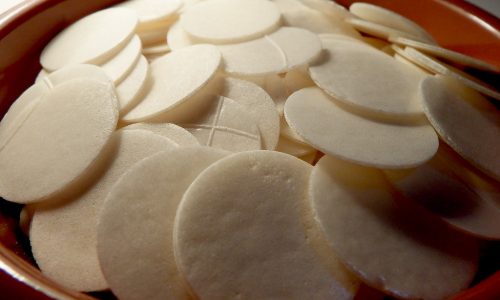
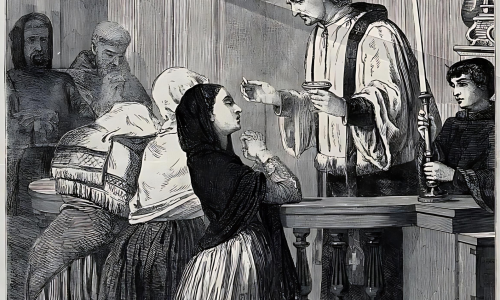
Bishop Schneider defends Communion on the tongue, stressing humility and reverence. He critiques Communion in the hand as historically unfounded, highlighting the Church Fathers’ guidance and the spiritual benefits of traditional practice.
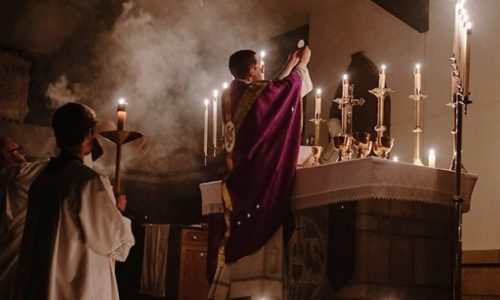
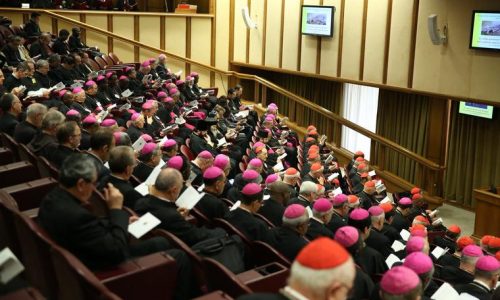
Bishop Schneider critiques the Synod as undermining doctrine, defends hierarchical teaching, condemns liberal abuses, and stresses safeguarding the traditional Latin Mass. The Catholic Mass provides steps to preserve faithful, Christ-centered liturgy.
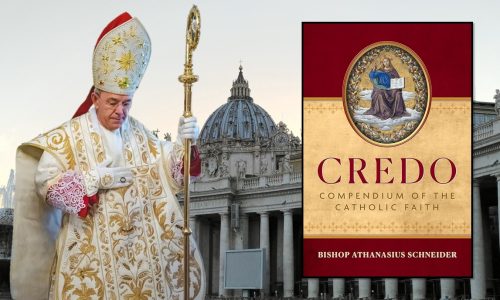
Credo clarifies Catholic doctrine amid today’s confusion, using a question-and-answer format, addressing contemporary errors, and reaffirming the Church’s timeless teachings on faith, morals, liturgy, and the deposit of faith.
Credo presents Catholic faith, morals, and worship, counters modern errors like relativism and abortion, and instructs Catholics to understand, preserve, and transmit the faith with clarity, integrity, and devotion.
Bishop Schneider says the traditional Mass appeals through beauty and truth. Liturgical decline fuels the Church’s crisis. Young Catholics should study the faith, live the sacraments, seek guidance, and actively spread Catholic truth.
Bishop Schneider says Pelosi’s Communion was a grave sacrilege requiring reparation. He emphasizes she harms her own soul most, while Vatican leaders are culpable for allowing the act without correction.
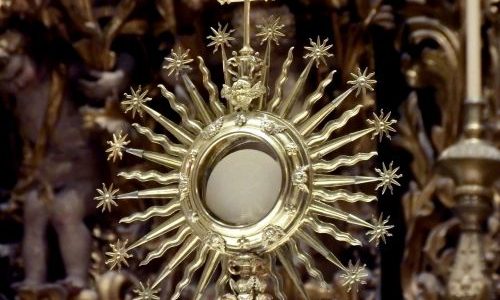
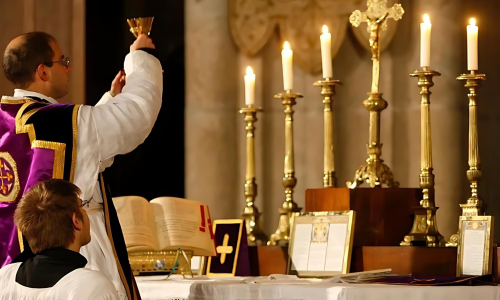
Bishop Schneider explains that if Catholics truly recognized the Eucharist as the divine Person of Christ, reverence such as kneeling and communion on the tongue would follow. Loss of this awareness contributes to declining belief and participation.
Bishop Schneider describes his vocation formed through a Catholic family, Soviet-era persecution, and holy priests. He urges firm faith, reverence, reliance on clear magisterium, defense of the traditional Mass, and allowing attendance at SSPX chapels when no alternatives exist.
Bishop Schneider stresses family, holy priests, and faithfulness for a vocation. Fiorella de Maria advocates humility, respect, and imagination in Catholic historical fiction to understand the past and human nature.
Bishop Schneider argues Viganò’s claims are unfounded, noting papal intentions are unknowable and election rules aren’t absolute. Church acceptance secures legitimacy, and no magisterial teaching supports loss of office for heresy.
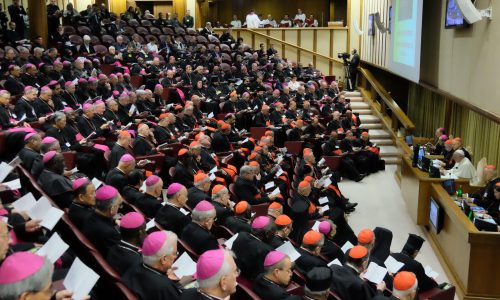
Bishop Schneider describes his underground-Church childhood, warns that Western society mirrors communist control, criticizes Vatican materialism and the Synod, defends traditional liturgy, rejects Communion for pro-abortion leaders, and urges resisting harmful measures while remaining faithful to Church tradition.
Bishop Schneider says gender ideology uses methods like communism through hate-speech laws and early indoctrination. He calls it a Neo-Marxist dictatorship and notes its Neo-Gnostic roots, especially ancient androgynism.
Bishop Schneider wrote Credo to clarify modern errors and Vatican II ambiguities. He critiques religious freedom, interreligious practices, papal confusion, rejects extreme papal theories, accepts the Russia consecration, warns against false visions, and urges prayer and fidelity.
Bishop Schneider condemns Ireland’s Mass suppression, recalls his underground-Church upbringing, critiques liturgical abuses, relativism, and weak leadership, urges priests to continue offering Mass, stresses fidelity to tradition, and encourages vigilance and trust in God and Our Lady.
Bishop Schneider outlines his mission, background, and defense of traditional liturgy, warns against doctrinal ambiguity and synodal confusion, criticizes Vatican favoritism toward errors, and urges fidelity to the Catholic faith and salvation of souls.
Bishop Schneider says Vatican II misinterpretations require clarification, stressing papal primacy, supernatural worship, and guidance on collegiality, religious liberty, and salvation, to correct anthropocentrism and preserve continuity with Church tradition.
Bishop Schneider says doctrinal confusion by popes, as with Liberius and John XXII, is rare but harmful, urging the faithful to admonish, pray, and offer reparation for the pope.
Bishop Schneider urges steadfast faith amid Church confusion, warns against fear, emphasizes Christ’s social kingship, and stresses devotion to Mary as guidance and protection during challenging times.
Bishop Schneider urges Pope Francis to clarify Amoris Laetitia, protecting marriage, Eucharist, and penance. He requests a clear statement on communion for the divorced and the divine authority of God’s commandments.
Bishop Schneider says his critique of Pope Francis is a fraternal correction. He believes silence would be an omission and supports concerns with prayer, affirming he is the Pope’s friend.
Many bishops appointed since the Council were compromise candidates, compromising faith and liturgy. Though not heretical, they lacked clarity and courage, with ultimate responsibility resting on the Holy See.
Priests affected by suppression of the Latin Mass may appeal to Rome, continue celebrating humbly, submit to superiors, and act in love while awaiting clear leadership defending the Catholic faith.
Priests should seek guidance from experienced clergy or traditional religious superiors to maintain accountability and humility, avoiding independent action, until Rome provides strong leadership defending authentic Catholic teaching.
Bishop Schneider denounces doctrinal abuses and gender ideology, urges prayerful resistance, emphasizes the Church’s supernatural mission, calls for spiritual renewal, and says SSPX Masses are valid and permissible, especially amid current ecclesial confusion.
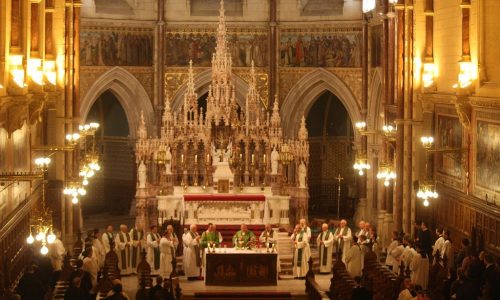
Bishop Schneider teaches that the Mass gives divine life and requires interior participation, reverent listening, and prayerful music. He calls for ad orientem, traditional architecture, Latin, and restored practices to express the Mass’s sacrificial essence.
Bishop Schneider says prelates fear losing status and avoid hard truths. He rejects ecumenical softness, noting Jesus spoke plainly. He also condemns the idea that almost no one goes to hell as a lie.
Bishop Schneider says persecution may purify the Church, as in past eras. He blames clergy deformation and relativistic theology for current crises and rejects ideas that most people avoid hell, calling them contrary to Christ’s teaching.
Bishop Schneider explains that decades of doctrinal and moral relativism created today’s confusion. Unclear teaching led to ambiguity, and current issues of family and sexuality reveal this, requiring Catholics to choose God’s truth or the world.
Bishop Schneider says God does not feel anger but rejects evil while seeking sinners’ repentance. Some clergy neglect this call. Scripture shows divine punishments, and today’s moral decline may precede intervention, though its timing is unknown.