Interviews

Search
Bishop Schneider says Medjugorje is not approved as supernatural but allowed as a place of prayer, similar to past tolerated apparitions later judged non-supernatural. A papal administrator provides pastoral care while awaiting the Vatican’s final decision.
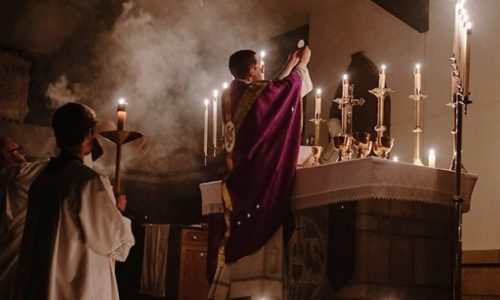
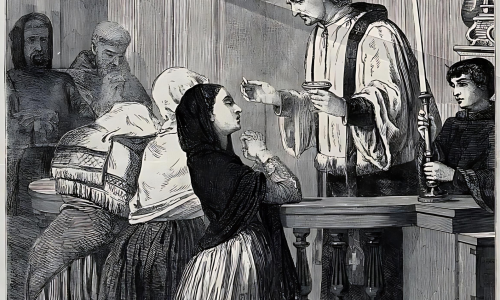
Bishop Schneider defends Communion on the tongue, stressing humility and reverence. He critiques Communion in the hand as historically unfounded, highlighting the Church Fathers’ guidance and the spiritual benefits of traditional practice.
Bishop Schneider explains that if Catholics truly recognized the Eucharist as the divine Person of Christ, reverence such as kneeling and communion on the tongue would follow. Loss of this awareness contributes to declining belief and participation.
Bishop Schneider describes his vocation formed through a Catholic family, Soviet-era persecution, and holy priests. He urges firm faith, reverence, reliance on clear magisterium, defense of the traditional Mass, and allowing attendance at SSPX chapels when no alternatives exist.
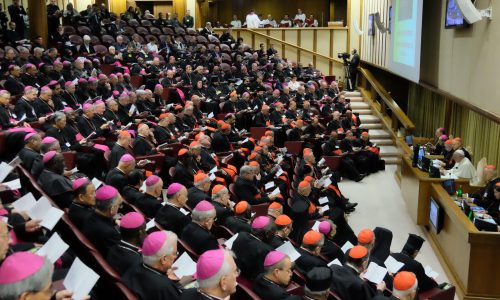
Bishop Schneider describes his underground-Church childhood, warns that Western society mirrors communist control, criticizes Vatican materialism and the Synod, defends traditional liturgy, rejects Communion for pro-abortion leaders, and urges resisting harmful measures while remaining faithful to Church tradition.
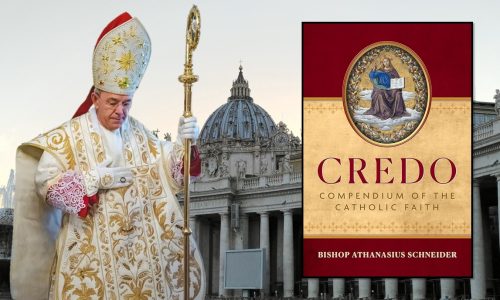
Bishop Schneider wrote Credo to clarify modern errors and Vatican II ambiguities. He critiques religious freedom, interreligious practices, papal confusion, rejects extreme papal theories, accepts the Russia consecration, warns against false visions, and urges prayer and fidelity.
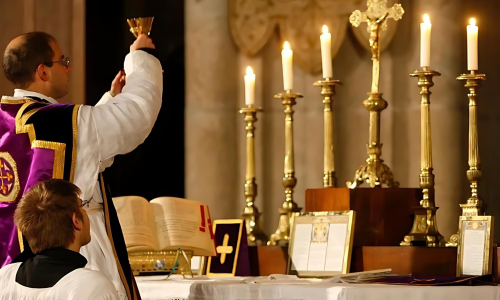
Bishop Schneider condemns Ireland’s Mass suppression, recalls his underground-Church upbringing, critiques liturgical abuses, relativism, and weak leadership, urges priests to continue offering Mass, stresses fidelity to tradition, and encourages vigilance and trust in God and Our Lady.
Bishop Schneider says Vatican II misinterpretations require clarification, stressing papal primacy, supernatural worship, and guidance on collegiality, religious liberty, and salvation, to correct anthropocentrism and preserve continuity with Church tradition.