All Questions & Answers

It’s better for a priest to visit, especially on First Fridays, to bring Holy Communion and offer Confession. While laypeople can bring Communion, Confession may be needed. Spiritual preparation should be done, and if the priest can’t come, spiritual Communion is an option.
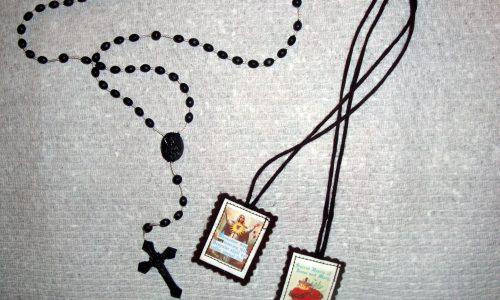
It is not a sacrament because sacraments require a specific structure. It is a sacramental, an analogy to sacraments. Like sacraments, sacramentals, such as blessings, require physical presence as official acts of the Church.
Leaving a seminary is not a mortal sin, especially if the person lacked a true vocation. If someone abandons a divine vocation due to weakness but later embraces marriage or another path, they can still sanctify themselves. God’s mercy allows grace in the new vocation, though the original one may still be recognized in eternity.
The Apostolic Blessing, granted by any priest in the name of the Pope at the moment of death, offers a plenary indulgence. It requires repentance and a contrite heart, providing spiritual benefit for the departing soul. This blessing reflects the Church's care for its children at death.
I did not consecrate anything. I corresponded with sisters in a Carmelite convent who sought to preserve the traditional Latin Mass due to restrictions. They are not schismatic and continue to pray for the Pope. I offered prayers and blessings, but did not perform any sacramental actions.
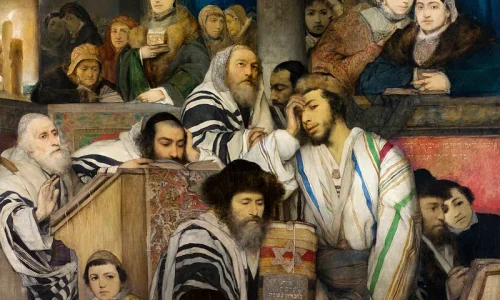
The Jewish rejection of God incarnate in Jesus is grievous, as the covenant was made for Christ. Despite their unfaithfulness, they remain God’s chosen people. The Church’s mission is to evangelize them with love. Ultimately, as St. Paul said, Israel will recognize Jesus as the Savior. Currently, Christians are the most persecuted group globally, not the Jews.
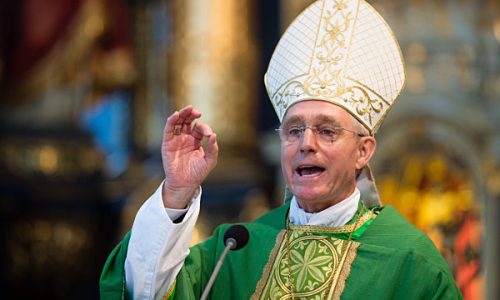
Archbishop Vigano’s approach to the Church crisis is problematic because he rejects the authority of the valid Pope, unlike Archbishop Lefebvre, who criticized errors but always respected papal authority. Vigano’s attitude seems driven by anger, lacking a supernatural perspective, which hampers true renewal.
It depends on your family situation. Ideally, keeping your parents at home is natural and humane, as previous generations did, with helpers if possible. It’s not a sin to seek other options, but you should visit regularly, offer spiritual support, and pray with them when you can.
Faith should be transmitted personally, not artificially. Only a validly ordained priest can administer the Sacraments. We must uphold human dignity and the reality of God's incarnation in the world.
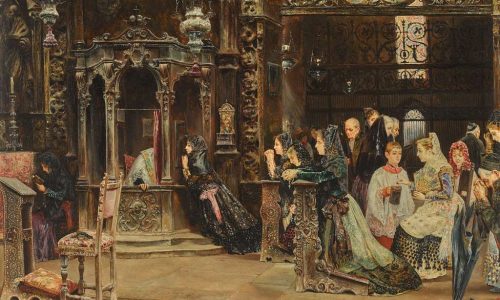
Absolution is valid if the priest uses the correct formula and intends to absolve, even if doubtful. Perfect contrition before confession forgives the sin, regardless of explicit absolution.
If a priest publicly expresses doubt, it causes uncertainty, and it's best to avoid this. If unspoken, only God knows his intention, but seeking another church may protect participants' faith.
The absence of a pope for nearly 70 years challenges the Church's visibility and contradicts papal succession. While Mass attendance isn't a divine command, one can attend under extraordinary circumstances, avoiding Communion if rejecting the pope.
The Society of Pius X has partial recognition from Rome, allowing them to hear confessions and assist with marriages. Catholics can fulfill Sunday obligations if the priest acknowledges the pope, with hope for eventual full recognition.
The Church requires Catholics to attend Mass on Sundays and days of obligation without specifying which formulary. Therefore, a nuptial Mass on Sunday fulfills this requirement.
We can use this channel or continue our monthly routine, and I can further explore those questions in this Compendium credo.
Question/ Title