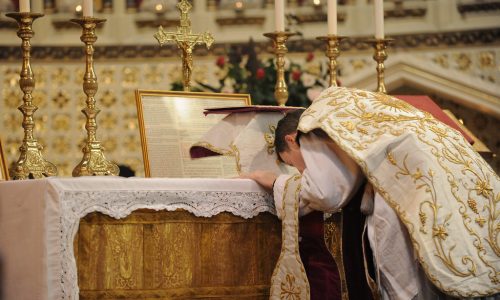
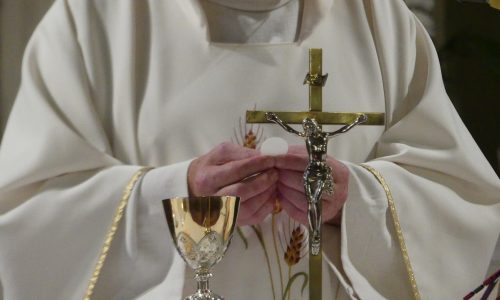
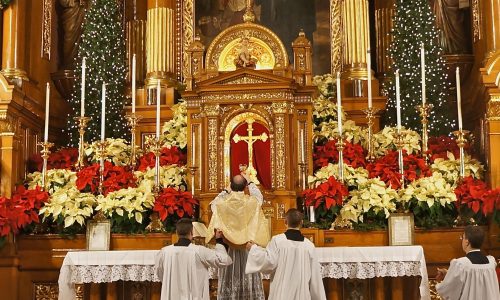
In 1967, the Holy See mandated silence during the Holy Mass consecration to encourage deep prayer, emphasizing the sacredness of the moment, complemented by bells and incense for reverence.
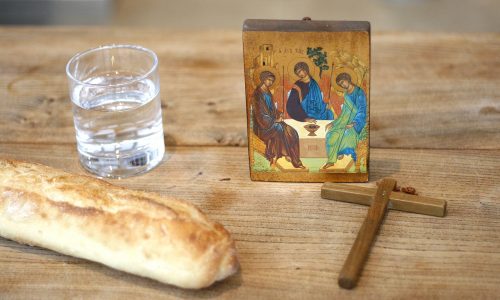
Our Lord established the new Paschal sacrifice at Passover with bread and wine, symbolizing His true sacrifice, replacing the Old Testament lamb, and representing His presence in the Holy Mass.
Consider making declarations or clarifications outside the church after Mass, or publishing a request for clarification instead of addressing it within the church.
For God, time is an eternal present, unlike our segmented perception. Everything exists simultaneously in His presence, transcending our understanding of time.
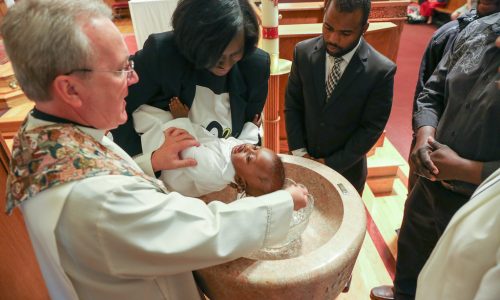
This complex issue is unresolved by the Church, leading to diverse interpretations. Some believe aborted babies might be baptized by blood, while infants who die before baptism could receive baptism of desire.
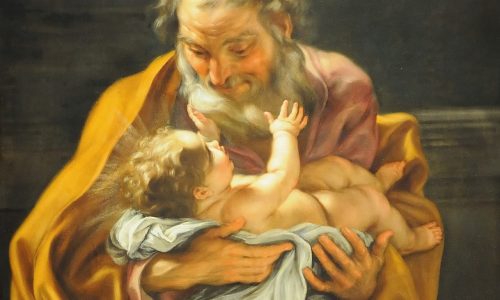
Father Ripperger's personal theory suggests that adoptive parents can pray for their children's protection and maintain authority, similar to St. Joseph's role as Jesus' legal father.
There is no definitive Church teaching on organ donation. "Brain death" is debated, as some recover. Organ donation raises moral concerns, particularly regarding the commandment against killing, though exceptions exist.
The question suggests sedevacantism, claiming Pope Benedict was the only valid Pope. This contradicts Church history; he remained Pope after abdication, and Francis's Cardinals make sedevacantism unlikely.
Recent practices following Pope Benedict's abdication, like his funeral and "Pope Emeritus" title, create confusion. Historically, abdicated Popes didn’t keep papal vestments. Clear norms are needed for future abdications.
Pope Benedict's legacy includes restoring the Traditional Latin liturgy, affirming its continuity, and allowing all priests to celebrate it. He emphasized the Mass of ages and urged a supernatural perspective.
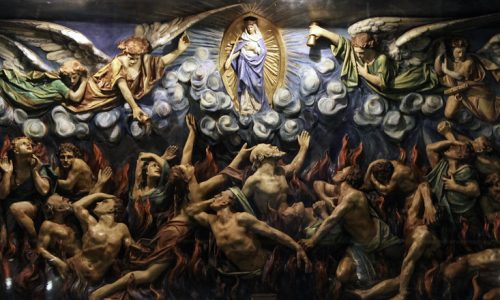
Indulgences lessen temporal punishments for forgiven sins, with purgatory allowing atonement. The Church offers plenary and partial indulgences through Christ's grace, benefiting both ourselves and souls in purgatory.
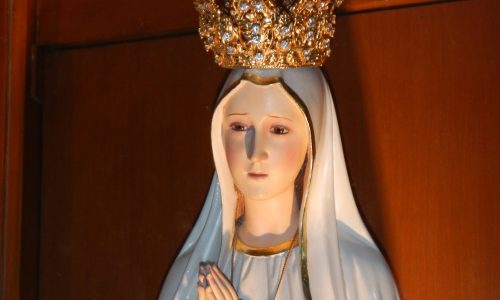
Traditional Catholics reject idolatry, honoring Mary as the mother of God while upholding the First Commandment. This veneration recognizes her unique role and connection to Jesus, reflecting Scripture and tradition.
Christians can use Holy Water and sacraments like the Rosary, believing in their power. Non-Christians may misunderstand them. Protestants can pray the Rosary with faith, and catechumens may use these items in their journey.
Sacraments express unity with the Church and require full Catholic faith to be valid. Those separated, like Protestants, can't receive them without professing this faith. Prayer, including the Rosary, is encouraged for reconciliation.