Interviews

Search
Priests should seek guidance from experienced clergy or traditional religious superiors to maintain accountability and humility, avoiding independent action, until Rome provides strong leadership defending authentic Catholic teaching.
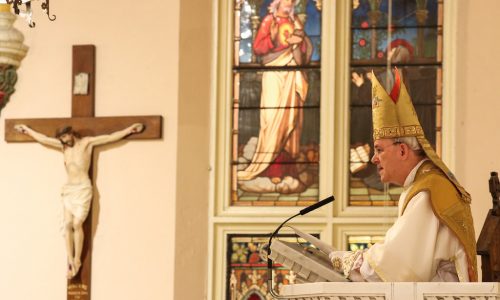
Bishop Schneider teaches that the Mass gives divine life and requires interior participation, reverent listening, and prayerful music. He calls for ad orientem, traditional architecture, Latin, and restored practices to express the Mass’s sacrificial essence.
Bishop Schneider says prelates fear losing status and avoid hard truths. He rejects ecumenical softness, noting Jesus spoke plainly. He also condemns the idea that almost no one goes to hell as a lie.
Bishop Schneider says persecution may purify the Church, as in past eras. He blames clergy deformation and relativistic theology for current crises and rejects ideas that most people avoid hell, calling them contrary to Christ’s teaching.
Bishop Schneider explains that decades of doctrinal and moral relativism created today’s confusion. Unclear teaching led to ambiguity, and current issues of family and sexuality reveal this, requiring Catholics to choose God’s truth or the world.
Bishop Schneider says God does not feel anger but rejects evil while seeking sinners’ repentance. Some clergy neglect this call. Scripture shows divine punishments, and today’s moral decline may precede intervention, though its timing is unknown.
Bishop Schneider says the Church faces confusion, rejection of tradition, and moral decline. True renewal requires Christ-centered worship, especially traditional liturgy, fidelity to doctrine, recognition of hell, and prioritizing salvation of souls.
Bishop Schneider’s catechism clarifies ambiguous Vatican II teachings, warns against relativism and anthropocentrism, and calls Catholics to Christ-centered faith, Eucharistic devotion, and love of Mary to preserve and transmit Catholic truth.
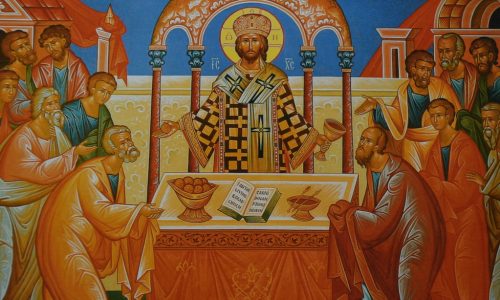
The discussion highlights Jesus’ Agony in Gethsemane, focusing on his suffering, isolation, vigilance, obedience, and love, showing fulfillment of prophecy and offering a model of surrender and mercy for believers.
Bishop Schneider asserts that blessing same-sex unions contradicts God’s will, encourages sin, and harms individuals. The Church cannot support such unions, and blessing them is inherently deceitful and abominable.
Bishop Schneider wrote a Compendium to clarify modern issues and ambiguous teachings. He critiques pastoral errors, urges traditional doctrine and reverent liturgy, warns against harmful schooling and practices, stresses hope amid crisis, and allows SSPX attendance when necessary.
Bishop Schneider urges the faithful to demand true doctrine from Church leaders amid confusion. He rejects blessings of same-sex unions as deceitful and sinful. He says Pope Francis’ actions support LGBT ideology despite stated doctrine, reflecting modernist separation of teaching and practice. Popes can err outside ex cathedra definitions, so Catholics must pray, admonish respectfully, and trust Christ’s guidance of the Church.