Bishop Schneider rejects the idea that all go to heaven, emphasizing hell’s reality through Scripture and warning that minimizing eternal consequences is morally irresponsible and endangers souls.
Bishop Schneider links German bishops’ allowance of Communion for the divorced to relativism, Gnostic dualism, poor seminary formation, and weak personal faith, leading to contradictions in their understanding of marriage and the Eucharist.
Bishop Schneider stresses that Vatican II must be interpreted in continuity with Church tradition, clarifying issues like collegiality, worship, ecumenism, and religious liberty to prevent misinterpretations and maintain Catholic truth.
Bishop Schneider distinguishes obedience to the Pope: required in administrative matters but not when his actions or teachings contradict divine truths, Church discipline, or sacred rites like the Traditional Latin Mass.
Bishop Schneider explains progressive ecclesial liberalism as clerics prioritizing worldly approval and personal gain over God, yielding to worldly temptations, which underlies the Church’s crisis and rejection of divine truth.
Bishop Schneider teaches that idols or blasphemous symbols in churches may be removed peacefully and prudently, avoiding violence, and calls men to defend the faith as soldiers and knights of Christ.
Bishop Schneider encourages young men discerning priesthood to trust God, fully dedicate themselves to Christ, renounce worldly attachments, and serve souls with love, emphasizing that a priest is “a man of eternity.”
Bishop Schneider describes long-term infiltration and compromise in the Church since the Reformation, stressing weakened faith among clergy and the need for strong, faithful bishops who resist compromise and remain loyal to Church teaching.
Bishop Schneider says Western crises reveal loss of faith, calling the Church to renew true belief, reverent worship, moral life, and fidelity to Christ, trusting God’s grace to sustain believers, especially children.
Bishop Schneider states that sedevacantist churches are schismatic and cannot be attended, whereas the Society of Saint Pius X recognizes the Pope and upholds true doctrine, justifying their temporary situation.
Bishop Schneider calls the transgender movement a prideful revolt against God’s order, destructive to human nature, irrational, and symptomatic of a broader societal insanity rooted in sin.
Bishop Schneider tells French Catholics that present trials are a providential purification, calling for prayer, fidelity, reverence for the Eucharist, strong families, and perseverance in faith amid persecution and confusion.
Bishop Schneider says Western ideologies, especially gender ideology and homosexuality, distort Church teaching through synodality and ambiguous documents, weakening morality and faith, and calls for doctrinal clarity and fidelity to apostolic truth.
Bishop Schneider rejects theories denying papal legitimacy, saying they lack firm theological basis, risk schism, and are irresolvable. He calls for common sense, humility, and fidelity to Church tradition without absolute judgments.
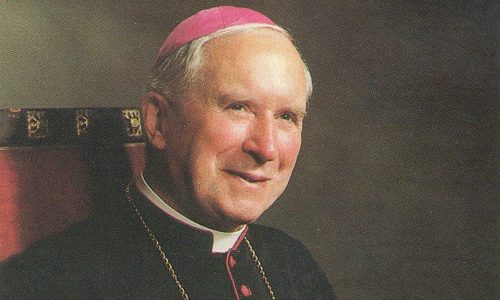
Bishop Athanasius Schneider shares insights on Archbishop Marcel Lefebvre, focusing on his legacy, influence, and impact within the Catholic Church, and reflecting on his contributions to Catholic tradition in video.
Bishop Schneider urges prayer, appeals, and truth-telling in Church crises, highlights priests’ need for strong spiritual life, criticizes Vatican ambiguity, links homosexuality to abuse, supports Viganò, and calls for firm canon law and clarification of Amoris Laetitia.
Bishop Schneider says Germany’s Church shows comfort but spiritual decline, marked by loss of faith and Communion abuses, calling Catholics to love the faith and restore reverence for the Eucharist.
Denying Jews knowledge of Christ is the greatest antisemitism. Bishop Schneider emphasizes that Jesus is the only Savior and must be preached with love to all people.
Bishop Schneider teaches that humans exist to glorify God. The Church’s task is to prioritize prayer and the Holy Liturgy, placing God first above all actions or activism.
Bishop Schneider warns that promoting religious pluralism and tolerance undermines Catholic tradition and liturgy, marginalizes faithful believers, weakens reverence for the Mass, and drives authentic Catholic life into an underground existence.
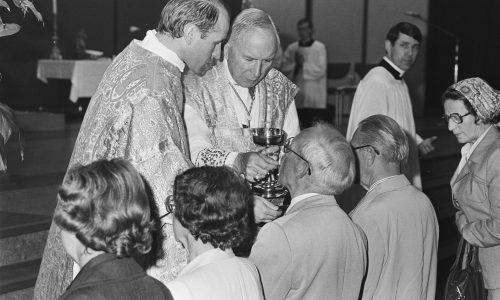
Early Christians received Communion in the hand with reverence, using the tongue to avoid losing fragments. Over time, to ensure devotion and prevent loss, the Church transitioned to placing the Host directly in the mouth.
Bishop Schneider warns against humanism and transhumanism, emphasizing that technology cannot fulfill the immortal soul. True human nature and happiness come from God, spiritual values, and heartfelt human relationships.
Bishop Schneider condemns Pachamama veneration in the Vatican, calling it idolatry and apostasy. He urges prayer, reparation, and the Pope’s defense of Church doctrine against relativism and pagan influences.
Bishop Schneider stresses Christ-centered worship, the sacrificial Mass, and traditional liturgical practices, addressing liturgical relativism, moral challenges, and the need to restore reverence, sacredness, and fidelity to Church tradition.
Bishop Schneider says the Novus Ordo’s revolutionary content and ambiguous form weaken worship, enable Protestantizing interpretations, and that reversing Summorum Pontificum imposes intolerance, harms the Church, and confuses believers today.
Bishop Schneider emphasizes that blessing same-sex couples living together promotes sin, harms the individuals, misleads society, and is morally equivalent to blessing unmarried heterosexual couples living together.
Supporting abortion or moral evils excludes politicians from Holy Communion. Receiving it falsely claims unity with God and the Church. Priests must refuse to safeguard souls and honor the sacrament.
Bishop Schneider warns that Gnosticism, relativism, and overreliance on private revelations threaten the Church. He affirms the Pope’s Russia consecration, highlights traditional teachings, and compares current crises to the Arian heresy.
Bishop Schneider emphasizes the First Commandment, calling Catholics to worship God alone, avoid errors harming faith, receive the holy message attentively, and remain faithful to God, source of salvation true.
Bishop Schneider warns that Gnosticism, relativism, and overreliance on private revelations threaten the Church. He affirms the Pope’s Russia consecration, highlights traditional teachings, and compares current crises to the Arian heresy.