Bishop Schneider highlights the necessity of adoration through kneeling and bowing, following biblical examples, and upholding the long-standing Latin rite tradition of receiving Holy Communion on the tongue.
Bishop Schneider warns that Church leaders’ focus on temporal issues undermines faith, stresses the value of traditional Mass, and critiques recent papal decisions as abuses of authority and doctrinal continuity.
Bishop Schneider urges faithfulness to the Church as our spiritual mother, stressing resilience, prayer, and resistance to heresy, despite clergy failings, recognizing the Church as the Mystical Body of Christ.
Bishop Schneider highlights a rare papal doctrinal crisis, urging the faithful to respond with admonition, prayer, and reparative acts, citing historical precedents like Pope Liberius and John XXII.
Bishop Schneider regards Jesus as his God, Lord, and Savior, with the Eucharist central to his faith, sustaining his spiritual life and devotion, and renewing both personal holiness and the Church.
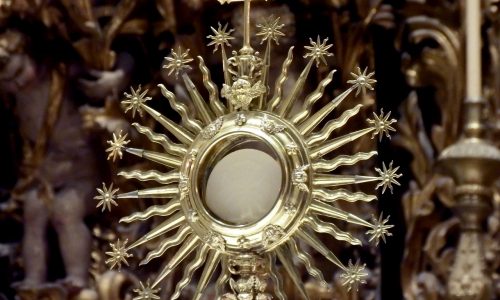
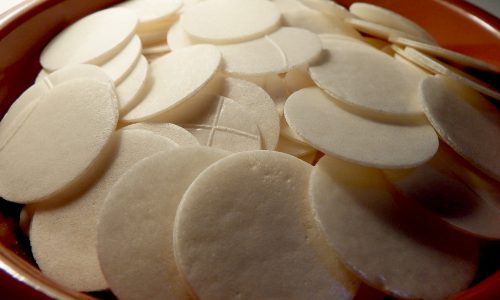
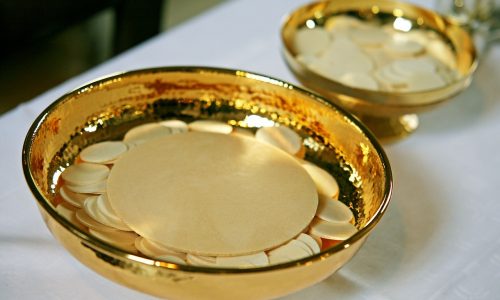
Bishop Schneider stresses the Eucharist’s divinity and cautions that Communion in the hand risks fragment loss, theft, and diminished reverence, urging solemn, sacred gestures to honor Christ’s presence.
Bishop Schneider cites four great Church crises, Arianism, the dark century, the Avignon exile, and today’s relativism, and believes the Holy Spirit will renew the Church through humble, faithful people despite current disorder.
Bishop Schneider teaches that obedience belongs first to God, not absolutely to Church or civil leaders. When authority contradicts divine law or harms faith and worship, disobedience becomes a duty to preserve truth.
Bishop Schneider warns of modern coordinated control, urges global resistance to protect human freedom, and criticizes Pope Francis for prioritizing worldly concerns over the Church’s spiritual mission of prayer and gospel truth.
Bishop Schneider stresses the Church’s primary mission is guiding souls and administering sacraments. Social justice is secondary, mainly the laity’s concern, while clergy focus on eternal salvation and God’s mysteries.
Bishop Schneider teaches obedience must follow God, not temporary Church authority. Catholics cannot obey directives undermining divine law, like suppressing the Traditional Latin Mass, but must uphold tradition prudently and reverently.
Bishop Schneider says societies collapse when they deny God’s design. He warns modern globalism and technology create control and slavery, limiting human freedom under the appearance of order and benevolence.
The Holy Eucharist expresses full unity with the Church. Non-Catholics rejecting any dogma, including on the Eucharist, Mary, or the papacy, cannot receive it without contradicting the Church’s truth.
Schneider highlights his experience in the underground Church and urges Catholics to remain faithful to the Traditional Latin Mass, honoring centuries of heritage and safeguarding it for future generations.
Bishops and cardinals fear media attacks that can destroy reputations or offices. Schneider emphasizes prioritizing eternity over temporal concerns, citing St. Thomas More’s refusal to compromise conscience for temporary freedom.
Bishops and cardinals fear media defamation that can ruin reputations or positions, but Schneider urges prioritizing eternity over worldly office, citing St. Thomas More as a model of conscience above temporal concerns.