If the first marriage is valid, the couple cannot be considered spouses. While living in continence is commendable, public scandal may arise. They should seek the Church’s guidance, especially regarding communion, and pray for clarity.
We must live our faith through actions and evangelize using tools like the internet and Church documents. Heresies harm the faithful and require good shepherds to address them with charity, including excommunication if needed. Laypeople should report heresies to their bishop for correction.
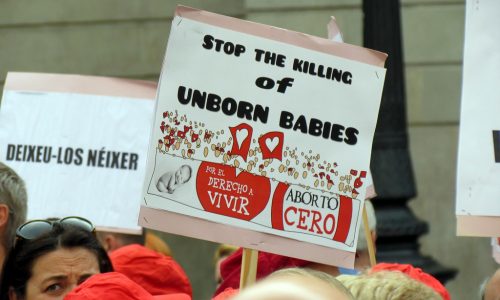
Pro-abortion politicians should be denied Holy Communion as their stance contradicts Church teachings. Excommunication, aimed at repentance, should be applied to those supporting abortion and immoral lifestyles to preserve the Church's holiness.
The vaccine’s connection to abortion is a grave evil. Accepting it indirectly participates in sin. Catholics must seek alternatives and protest the abuse of life and human dignity in such practices.
If irreverence and heresies in a parish are severe, avoiding it may be justified. Like in Soviet times, consider making sacrifices to attend a proper Mass, ensuring doctrinal fidelity and reverence in worship.
Sedevacantists deny papal legitimacy, making their communities schismatic. The SSPX acknowledges the pope’s primacy but disagrees with certain post-Vatican II reforms. Attending SSPX Mass is acceptable with proper understanding, but not sedevacantist Mass.
Marriage reflects the union of Christ and the Church. The husband must sacrificially love and serve his wife, while the wife submits in love and respect, with Christ as the relationship’s center.
The distribution of Holy Communion by laypeople, introduced after Vatican II, goes against tradition. Only priests and bishops should distribute the Eucharist during Mass. Extraordinary ministers should assist only when necessary, with proper reverence.
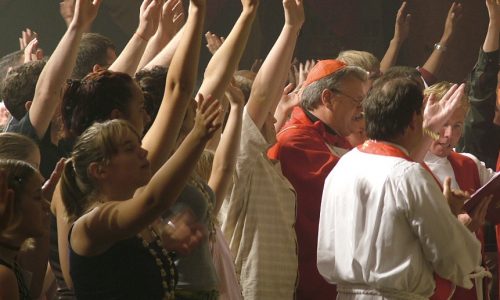
The Catholic Charismatic Renewal, approved by Pope John Paul II, emphasizes emotional experiences that can undermine doctrine. True charismatic grace promotes prudence and reverence. Catholic tradition should guide charismatic practices toward balanced spirituality.
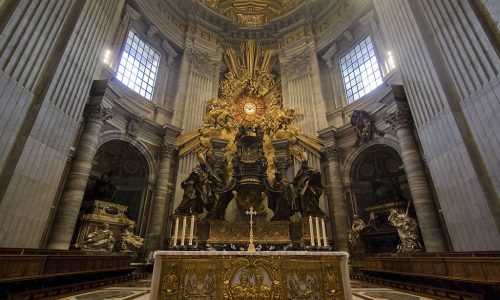
The prohibition of individual Masses in St. Peter's Basilica undermines Canon Law and the priest's right to celebrate Mass privately, setting a troubling precedent. Despite adversity, God can still bring spiritual fruits.
Refusing the vaccine is crucial as it implicates one in the murder of an innocent child, even remotely. This participation is material cooperation in a grave sin, requiring rejection, as St. Thomas More did.
Receiving Holy Communion on the tongue is a long-standing tradition of reverence, practiced by saints for over a thousand years. Bishops cannot forbid it, as it is part of Church tradition. Reverence for the Eucharist must always be preserved.
If a seminarian believes receiving Holy Communion in the hand is irreverent, he must follow his conscience, prioritizing the Eucharist’s sacredness over diocesan loyalty. God will guide him to formation that upholds this reverence.
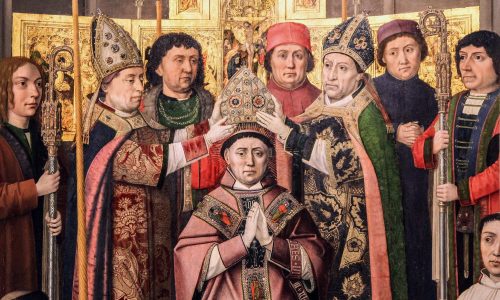
In the Catholic Church, only the Pope can judge a bishop’s office. If a bishop errs, we must respectfully advise him, and if he refuses, we appeal to the Pope. We are not bound to obey commands contrary to the faith but must pray for his conversion, respecting the Church's hierarchy.
The Catechism of the Catholic Church, along with older catechisms like the Baltimore and Pope Pius X's, provides reliable doctrine. Prayer, sacraments, frequent confession, Eucharist, and reading apologetics strengthen and deepen faith.