Bishop Schneider says Pope Francis misuses the papacy to support gender ideology, separating doctrine from praxis. Despite contradictions, he emphasizes that papal authority comes directly from God and cannot be revoked by the Church.
Bishop Schneider warns that globalism, gender ideology, and infiltration threaten Church and society. He calls for vigilance, rejection of compromise, and defense of faith, family, and God’s natural order.
Bishop Schneider highlights that faith survives in small, committed communities. The Church’s mission, Christ’s guidance, and the witness of saints sustain believers in a hostile, secularized, and morally corrupt world.
Bishop Schneider states that the Novus Ordo often disregards tradition. Liturgical abuses distort the Mass and Eucharist, making it vital to preserve the Church’s authentic liturgical tradition and theology.
Bishop Schneider underscores preserving the Catholic faith through saints, Mass, and apostles. True belief resists secular and Protestant influence, relying on God and tradition, guiding believers in contemporary challenges.
Bishop Schneider emphasizes faith amid persecution, family influence, and Catholic tradition. He reflects on Christus Vincit, challenges in the Church under communism, and the preservation of liturgy and global Catholic identity.
Bishop Schneider teaches that the Mass, begun with the Sign of the Cross, unites the faithful with Christ and the saints, guided by the priest in a profound spiritual act.
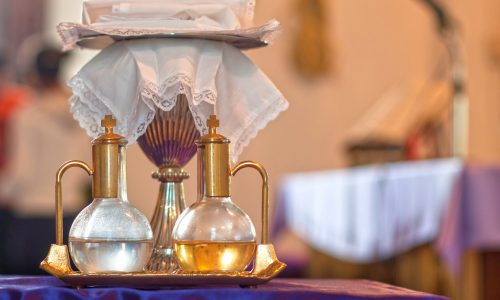
Bishop Schneider teaches that Communion is effective only when the believer is spiritually united with God; receiving it in sin or without inner preparation prevents participation in its grace.
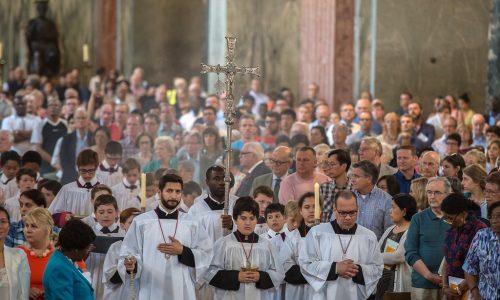
Bishop Schneider teaches that careful spiritual and practical preparation for the Holy Mass unites believers with Christ, deepens sacramental life, and strengthens communal devotion through processions and liturgical participation.
Bishop Schneider teaches that the Church’s mission unites believers with Christ, produces spiritual fruit, and illuminates the world, guiding humanity toward unity, understanding, and goodness.
Bishop Schneider warns that loss of Eucharistic reverence, liturgical abuses, and modern ideologies, especially communism and materialism, harm the Church, urging reparation, tradition, and renewed devotion.
Bishop Schneider warns of doctrinal confusion and relativism promoted through synodality. He affirms the unique truth of the Catholic faith, calls for doctrinal clarity, fidelity to tradition, and trust in God’s purifying intervention.
Bishop Schneider teaches that renewing the priesthood requires restored faith, sound doctrine, reverent liturgy, prayer, chastity, and love for the Eucharist and Confession, forming holy priests faithful to Christ and tradition.
Bishop Schneider credits his faith to devout parents, joined the Canons Regular, stresses Eucharistic devotion, humility, and Marian love, and authored a catechism addressing modern doctrinal and moral challenges.
Bishop Schneider stresses traditional faith, canonical recognition for the Society of Pius X, reverent sacraments, opposition to abortion, hope for Russia, and authentic dialogue with the Orthodox Church without compromising Catholic truth.
Bishop Schneider affirms that the Holy Mass is God-centered, received rather than invented. Authentic liturgy expresses the unity of body and soul and preserves reverence, tradition, and Christ’s primacy in the Church.
Bishop Schneider teaches that the Holy Mass must be God-centered, reverent, and faithful to tradition. Liturgy is received, not invented, expressing the unity of body and soul and preserving authentic Christian worship.
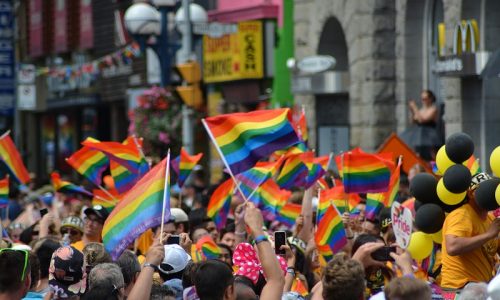
Bishop Schneider urges clergy to speak clearly on homosexuality, affirming respect for persons but rejecting homosexual acts as against God’s will. He warns against fear and calls for courage and common sense.
Bishop Schneider affirms the Mass as Christ’s sacrifice, not a meal. He calls for Confession before Communion and restoring reverence through ad orientem worship, ending Communion in the hand, and traditional prayers.
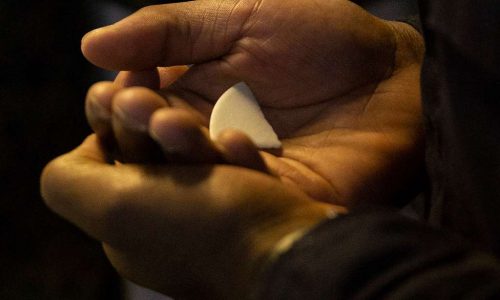
Bishop Schneider stresses reverence for the Eucharist, opposing Communion in the hand for causing loss and irreverence. He calls for kneeling reception, following tradition and Pope Benedict XVI’s example, to deepen faith and adoration.
Bishop Schneider affirms the Tridentine Mass’ enduring value, urging reverent Eucharist practice, spiritual priestly formation, strong families, and prayerful devotion as essential for Church renewal amid attempts at liturgical suppression.
Bishop Schneider warns of liberalism, compromised bishops, and Rahner’s influence, stressing family transmission of the faith, a return to tradition, and lay apostolate through prayer, catechesis, and authentic Catholic living.
Bishop Schneider stresses preserving the traditional Mass, Eucharistic adoration, God’s providence, and responding to Fatima through prayer and consecration of Russia, noting the Novus Ordo’s deficiencies in expressing Christ’s sacrifice.
Bishop Schneider says spiritual confusion arises from ambiguous teachings under Pope Francis. While individual behaviors may err, the Pope remains valid, and prayer is needed for clarity, as Vatican II documents also contain ambiguity.
Bishop Schneider condemns Communion for the divorced and remarried as Eucharistic desecration, urging prayer for the Pope, fidelity to immutable doctrine, and recognition that the Church’s post–Vatican II crisis stems from breaking with tradition.
Bishop Schneider denounces Communion in the hand for causing Eucharistic desecration and weakening belief in Christ’s Real Presence. He calls for restoring traditional reverence, kneeling Communion, and reparation to the Eucharistic Lord.
Bishop Schneider warns against modern Church relativism and loss of faith, urging missionary zeal, reverent worship, and correction of Vatican II ambiguities to restore fidelity to Christ as humanity’s sole Redeemer.
Bishop Schneider says persecution purifies the Church. He notes current moral persecution and urges Catholics to strengthen faith, trust God’s grace, and be ready for martyrdom according to His will.
Bishop Schneider says clergy fear worldly consequences for truth, driven by egoism or careerism. He stresses true charity means speaking truth courageously, and God will soon expose these hidden motives.
Bishop Schneider claims Freemasonry infiltrated the Church, spreading relativism and modernism, especially through the Second Vatican Council. He says current Church leaders now promote and reward those advancing worldly, anti-Catholic ideas.