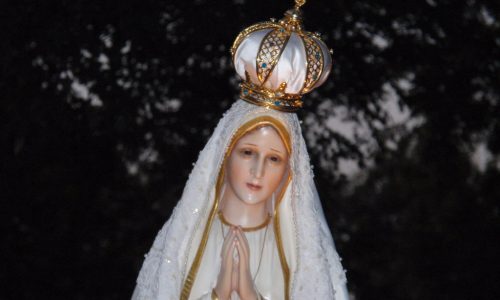
Bishop Schneider calls for trust and devotion to Our Lady amid doctrinal confusion and relativism, rejoicing that she, the Mother of God, has destroyed all heresies and intercedes for the faithful.
Bishop Schneider affirms that Christians, strengthened by Confirmation, must reject compromise, confess Christ courageously, and accept suffering. From the early Church to modern martyrs, true Catholics remain witnesses despite persecution.
Bishop Schneider condemns abortion-tainted vaccines, defends attending the Traditional Latin Mass despite restrictions, and teaches Vatican II was pastoral, not infallible, with certain ambiguous statements requiring future clarification and correction.
Bishop Schneider urges Catholics to stay faithful within the Church, pray for the Pope, resist harmful directives with love, preserve the traditional liturgy, and ensure priests remain under legitimate authority, avoiding schism.
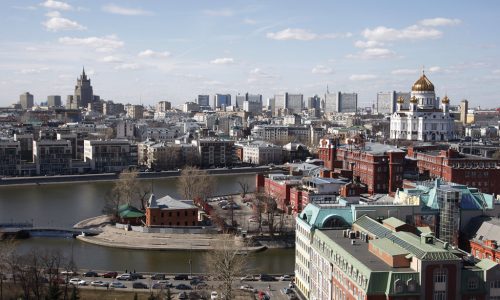
Bishop Schneider says the consecration naming Russia meets Fatima’s conditions, the 2000 text reveals the third secret, urges prayer for peace, and identifies Marxism, atheism, and materialism as Russia’s main errors.
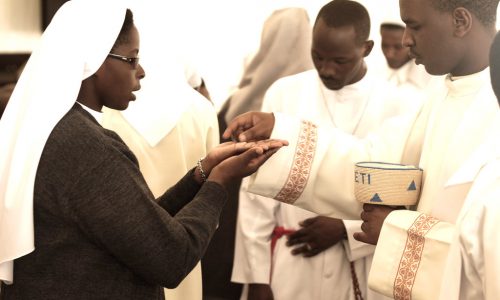
Bishop Schneider stresses receiving Communion on the tongue preserves reverence, prevents loss of fragments, and follows the Church Fathers’ tradition, teaching that believers should receive like children, with humility and devotion.
Bishop Schneider warns that Freemasonic principles may influence clergy and the Vatican, promoting materialism and distorted Gospel priorities, and stresses that salvation of souls, not ecological goals, is Christ’s purpose.
Bishop Schneider warns that receiving Communion in the hand leads to lost fragments, theft, and reduced reverence, stressing that the faithful should kneel and honor the full presence of Christ in the Eucharist.
Bishop Schneider calls for faith in the Church over any Pope, prayer for Pope Francis, and endurance of the Church’s crisis, following Our Lady’s example and trusting God’s providence for renewal.
Bishop Schneider urges prayer, holiness, and fidelity to Church teaching, rejection of abortion-linked vaccines, and hope amid trials, affirming Eucharistic miracles and Christ’s enduring presence guiding and preserving His Church.
Bishop Schneider reflects on his life and ministry, stressing trust in God, devotion to Mary, prayer, and perseverance through hardship, persecution, and labor as part of faithful Christian life within the Church.
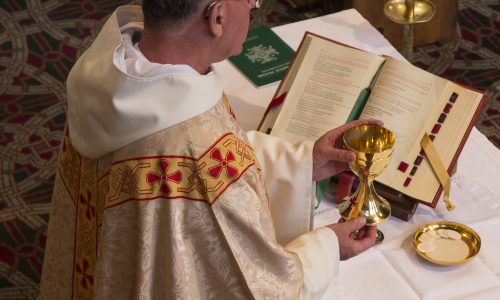
Bishop Schneider teaches that the Holy Mass is God’s work and a mystery of faith, sacramentally making present Christ’s death and resurrection, with Christ Himself acting as the principal agent.
Bishop Schneider teaches that the Holy Mass is Christ’s sacrifice, where He acts as the principal priest, making His true Body and Blood present, uniting heaven and earth through faith.
Bishop Schneider stresses belief in the real presence, explaining that God’s almighty word transforms bread into Christ’s Body, and that faith relies on God’s word, not symbolic interpretation.
Bishop Schneider teaches that the Holy Mass unites sacrifice and Communion, affirming the Eucharist as Christ’s true Body and Blood, and warning that separating these aspects leads to an incomplete theological understanding.
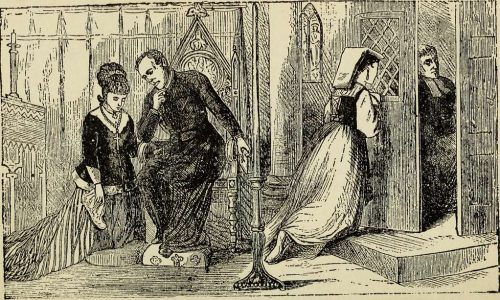
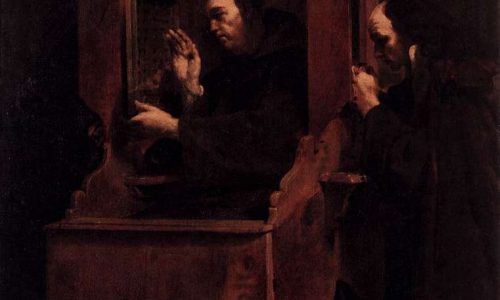
Bishop Schneider highlights spiritual preparation, conscience, and the necessity of regular confession, stressing that the Church urges frequent reception of the sacrament of penance as essential to disciplined Christian life.
In part four of the series, Bishop Athanasius Schneider examines the Holy Mass, focusing on the liturgy’s details and spiritual significance to deepen viewers’ understanding of its sacred elements presented.
Bishop Schneider stresses the Holy Mass as a sacrament and active union with Christ, transforming bread and wine, guiding believers, and sustaining the Church’s mission amid the world’s spiritual challenges.
Bishop Schneider rejects the idea that Benedict XVI is still pope, highlighting Benedict’s own statements, the Church’s functioning under Francis, and encourages focusing on faith, prayer, and Church life instead.
The traditional Latin Mass and older rites embody sacredness, supernatural focus, and continuity with Church tradition. Speaker 2 views their growth as a hopeful revival, trusting God and Mary for ongoing renewal.
Bishop Schneider stresses steadfast faith in a secular world, highlighting liturgy, saints, and Church teachings. Believers must persevere in Christ-centered life despite modern challenges, preserving Catholic truth and morality.
Bishop Schneider affirms the Pope’s consecration of Russia as valid, emphasizing that sacramentals like consecration depend on God’s will, with effects unfolding gradually, not instantly, urging devotion to Mary’s Immaculate Heart.
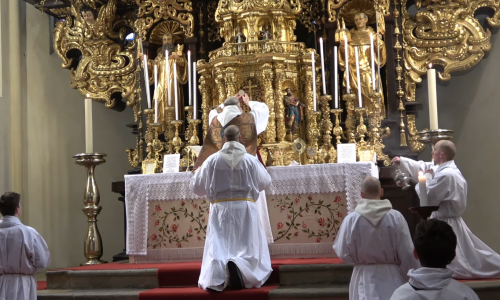
Bishop Schneider’s book guides priests in celebrating the Mass with sacredness, Latin, and ad orientem orientation, opposing Protestantized reforms while emphasizing the Eucharist as divine mystery, ensuring the Traditional Latin Mass endures.
Bishop Schneider highlights the family as God’s creation and domestic church, urging parents to trust Him, avoid contraceptive misuse of NFP, and raise children in the Catholic faith for future generations.
Bishop Athanasius Schneider examines Mutual Enrichment in the Roman Rite, discussing the beauty and depth of its two forms and how tradition and renewal unite in Catholic worship together therein.
Bishop Schneider warns that disposing Precious Blood is a grave profanation. Communion under both species is valid only if priests or deacons distribute it reverently, safeguarding the Eucharist’s sacredness.
Bishop Schneider stresses speaking truth in love, like Christ and the apostles did, preparing hearts respectfully, rather than avoiding offense, so people can confront their spiritual reality and grow in faith.
Bishop Schneider highlights the laity’s mission to witness Christ, defend marriage and family, and strengthen the faith of others, supporting the Church’s spiritual good in this period of crisis.
Bishop Schneider urges faithful to honor Pope Benedict XVI’s legacy by defending the unchanging Catholic faith, embracing the traditional liturgy, opposing doctrinal errors, and living with zeal and devotion to Church tradition.
Bishop Schneider says John Paul II’s 1984 consecration was imperfect for omitting Russia. He urges a future explicit consecration, believing modern Russia and its Orthodox Church would regard it positively and spiritually.