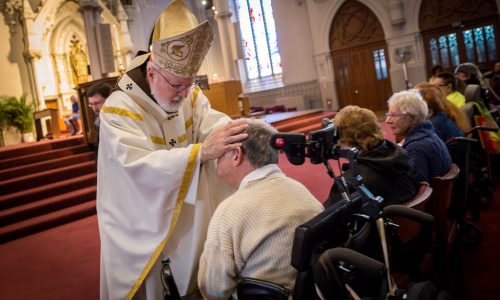
Emotionally charged healing events risk suggestion, emotionalism, and deception. They resemble magic and oppose trust in God’s will. True healing comes in God’s time, faith rests on reverent trust, not spectacle.
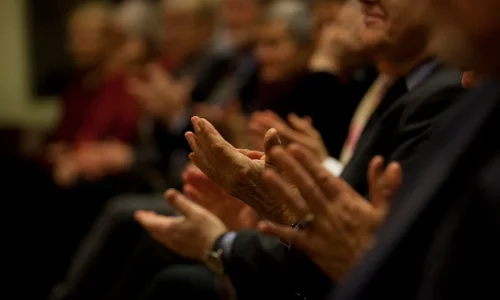
Clapping during Mass is inappropriate, creating a theatrical atmosphere unworthy of sacred worship. The Mass demands reverence, not applause, as public worship should remain solemn and respectful.
Christians must respect God’s holy name and avoid misusing it, even unintentionally. Though not always grave sin, careless use is inappropriate and should be stopped to honor God properly.
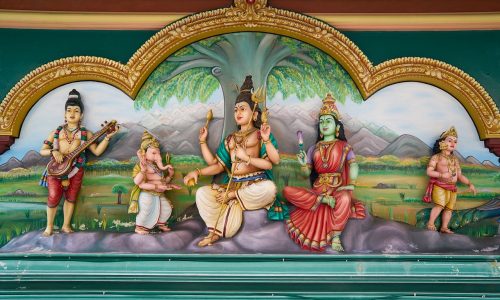
A Catholic must marry according to Church form. Joining in non-Catholic or pagan rites, like Hindu ceremonies, violates the First Commandment. Church law forbids any second wedding celebration after a valid Catholic marriage.
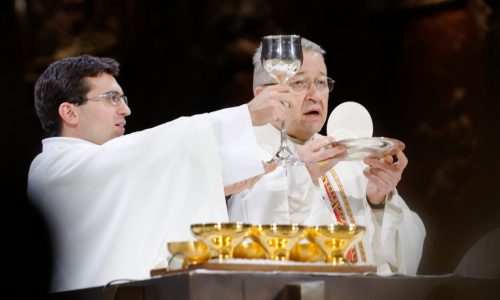
Only a priest may say the words of consecration. Allowing others is a grave abuse, contradicting Catholic doctrine on priesthood, resembling Protestant practice, and must be corrected by Church authority.
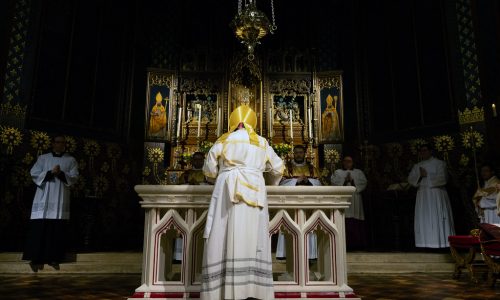
Liturgical abuse happens when a priest ignores the Missal’s rubrics. He must follow the liturgy faithfully, as he is not its owner. Any deviation is a serious, unauthorized violation.
Without certainty, the case can't be judged. Even if an error occurred, the Sunday obligation was fulfilled. No sin happened, as attending Mass is a Church command, not a divine one.
Public sacrilege offends God directly. Reparation through prayer and peaceful protest is vital. Political action helps prevent offenses, but responses must be nonviolent; heroic acts depend on personal calling, not obligation.
Be cautious with private revelations, many may mislead despite appearing good. True revelations are humble, Church-discerned, and avoid publicity. Scripture urges testing spirits true prophets don't seek fame or global platforms.
Our Lady linked communism to Russia, not to blame it, but to heal it through consecration and foster Catholic-Orthodox unity by drawing Russia closer to the Holy See.
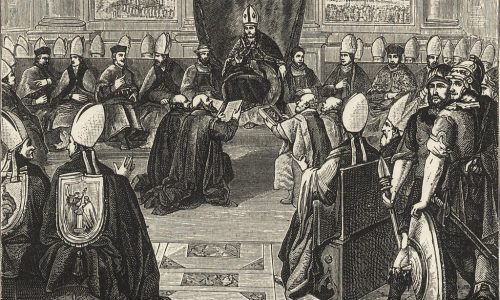
The 14th-century Council of Vienne clarified that the soul is the body’s form its vital, metaphysical principle. At death, soul and body separate, at resurrection, God reunites them.
Plenary indulgences are allowed during the Holy See’s vacancy by praying for the Church and Pope’s intention, though future Popes may shift this to the Roman Church’s spiritual intention.
The goal is daily Rosary prayer for this intention. A prayer from the booklet is now recited after broadcasts, helping people focus on asking God for a new era of holy popes alongside the Rosary.
The Centro Dom Bosco in Brazil asked me for Rosary meditations. I proposed adding a concrete intention: praying for a new era of holy popes, seeking God’s grace to restore saintly pontiffs like the early Church.
A U.S. pope after Pope Francis highlights Catholicism’s importance in Europe and the U.S., encouraging American faithful. Yet, the pope’s key quality remains unwavering catholicity and fidelity to apostolic tradition.