The sin against the Holy Spirit is refusing God’s forgiveness, as taught by John Paul II. It grows through repeated impenitence, hardening the heart until one cannot repent or accept mercy.
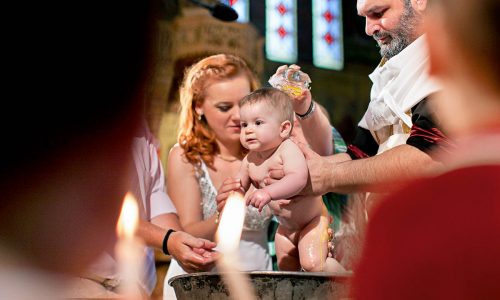
The Church requires assurance a baptized child will be raised in the faith. While children of cohabiting or single parents may be baptized with a faithful guardian, same-sex couples' children should not be, to avoid endorsing unions against Church teaching.
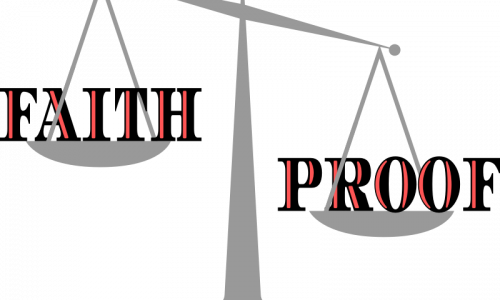
God alone knows the heart and may reward sincere charity, but faith is essential for salvation. As Saint Augustine taught, lacking faith is a sin. Both faith and works please God.
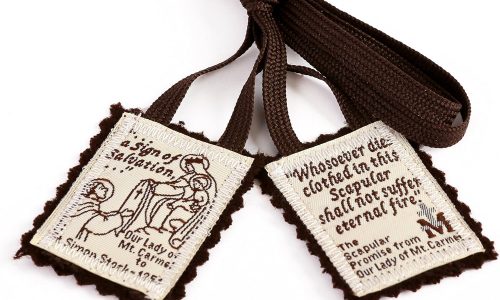
The scapular and Miraculous Medal are distinct sacramentals from Mary. The scapular symbolizes Carmelite protection, the medal brings graces through faith. Both may be worn together for spiritual benefit.
Catholics may respectfully dissent from the Pope in non-infallible matters, especially ambiguous or non-doctrinal ones. Rejecting infallible teachings is heresy. Saints like Paul and Athanasius modeled faithful, necessary dissent.
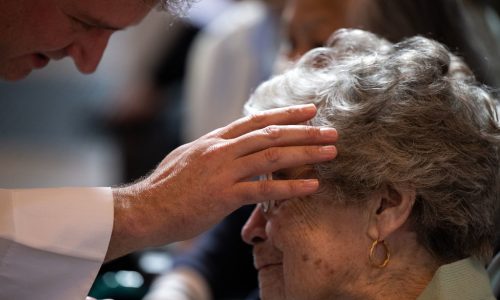
The Anointing of the Sick is for the seriously ill, not the merely elderly or mildly unwell. The Roman Church upholds its original purpose, differing from broader Orthodox practices.
Baptism is valid even by heretics if water and the Trinitarian formula are used. Rebaptism is forbidden, though conditional baptism is allowed in doubtful cases, under bishops or Church-approved guidance.
The Church permits natural family planning if intentions are moral. Used selfishly or anti-life, it can be sinful. Couples must reflect before God, as a priest warned God may reveal refused children on Judgment Day.
“Family planning” is inadequate; life is sacred and entrusted to God. Natural family planning, allowed in serious cases, requires care, emphasizing trust in Divine Providence and openness to life, not control or selfishness.
A non-ordained sister performing clergy governance duties causes confusion, as sacred tasks require ordained clergy. Even if supported by an ordained prefect, this role blurring should be avoided in Church hierarchy.
We should pray generally for the Pope’s intention without naming him. God values sincere, faith-aligned prayers, purifies them, and accepts them based on our good intention, regardless of specific details.
Jesus will judge all as appointed by the Father. The Trinity acts as one, though we face Christ in judgment, all three are present. Praying for one honors all inseparably.
The Novus Ordo isn’t heretical, but has serious issues. Lefebvre never called it heretical. It can resemble the Traditional Mass if reverent. Avoid irreverent liturgies seek dignified ones, even if distant.
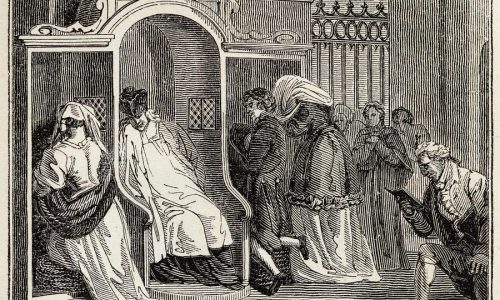
The Council of Trent requires Catholics to confess mortal sins with their number and details to foster true repentance, not to burden. The goal is a deep repentance for the soul’s benefit, trusting God’s mercy.
We should honor the bodies of deceased loved ones as temples of the Holy Spirit. The Church has always respected the body, and traditional burial reflects this reverence. Burial is recommended over keeping the remains in a room.